




What's Happening?
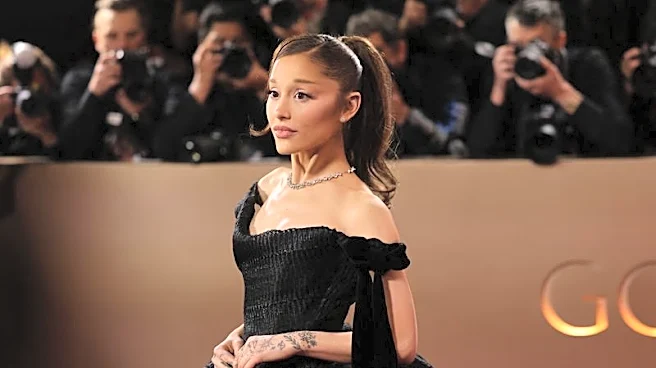
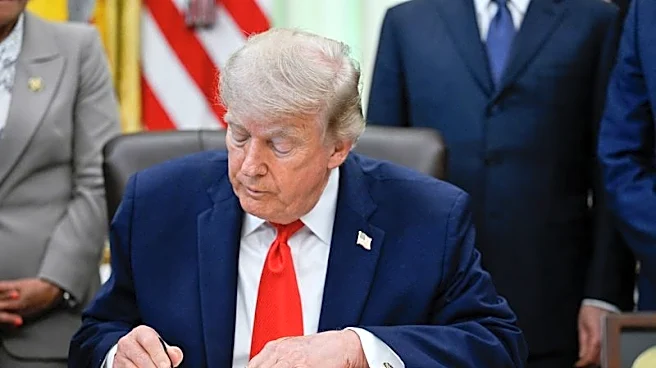
Ariana Grande has publicly criticized the White House for using her song 'Bye' in a TikTok video that promotes President Trump's immigration policy. The video, which was shared by the White House, features federal agents arresting individuals while Grande's
song plays in the background. Grande expressed her disapproval by commenting on the TikTok post, describing the use of her music in this context as 'barbaric, inhumane, heinous nonsense.' A source close to Grande indicated that her team is working to have the music removed from the video. The White House responded to Grande's criticism, with spokesperson Abigail Jackson defending the administration's actions and policies. This incident is part of a broader pattern where the White House has used popular music in social media videos to promote its agenda.
Why It's Important?
The use of Ariana Grande's music in a political context without her consent highlights ongoing tensions between artists and political entities over the use of creative works. This incident underscores the broader issue of how music and other forms of art are utilized in political messaging, often leading to disputes over intellectual property rights and the ethical implications of such uses. For the White House, the backlash from a high-profile artist like Grande could impact public perception, especially among her fan base, which may view the administration's actions as overstepping artistic boundaries. This situation also reflects the challenges faced by artists in controlling how their work is used in political discourse, potentially influencing future interactions between the entertainment industry and political figures.
What's Next?
Grande's team is actively seeking to have her music removed from the White House's TikTok video, which may involve legal action or negotiations. The outcome of this effort could set a precedent for how artists can protect their work from unauthorized political use. Additionally, the White House may face increased scrutiny over its use of music in promotional content, potentially leading to changes in how such content is created and shared. Other artists may also become more vocal in opposing the use of their work in political contexts, leading to a broader discussion about the rights of creators in the digital age.