

What's Happening?
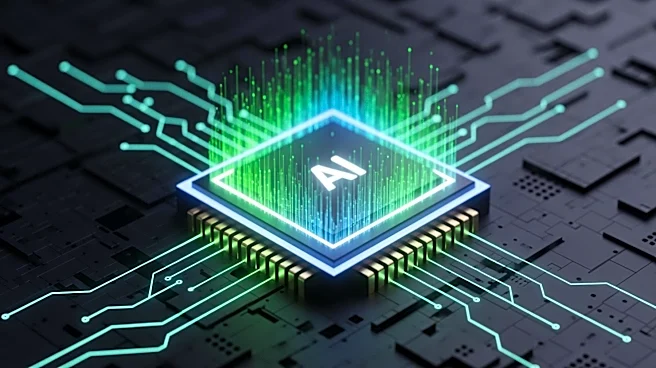
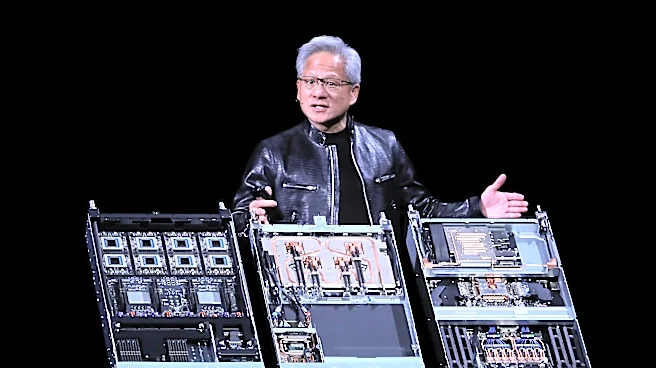
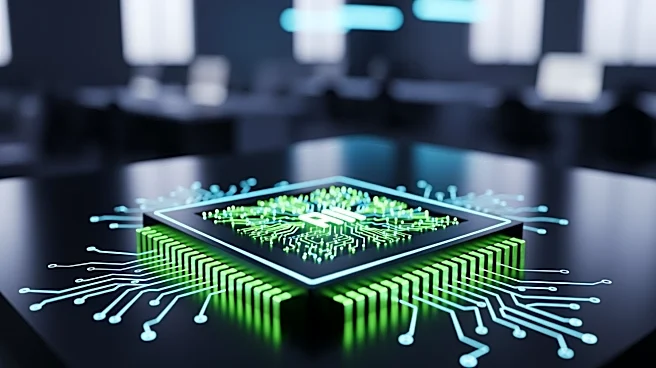
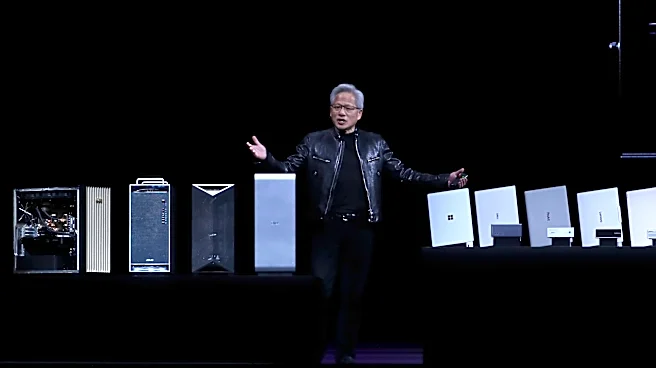
Major tech companies like Nvidia, Microsoft, and Google are advancing towards a future where computers can autonomously handle complex tasks. New technologies, including Nvidia's RTX Spark chip and Microsoft's Scout for Microsoft 365, are being developed
to enable AI agents to perform tasks without constant user input. These innovations aim to reduce reliance on traditional input devices like keyboards and mice, allowing users to control computers through simple prompts. While these advancements show promise, widespread adoption faces challenges such as high costs and consumer trust in AI handling critical tasks.
Why It's Important?
The push towards autonomous computing represents a significant shift in how technology interacts with users. By enabling computers to perform complex tasks independently, businesses could see increased efficiency and reduced operational costs. However, the transition also poses challenges, including the need for robust security measures to protect sensitive data processed locally. Additionally, the high cost of new AI-driven laptops may limit accessibility for individual consumers, potentially widening the digital divide. The success of these technologies will depend on their ability to gain consumer trust and demonstrate tangible benefits over existing solutions.