




What's Happening?
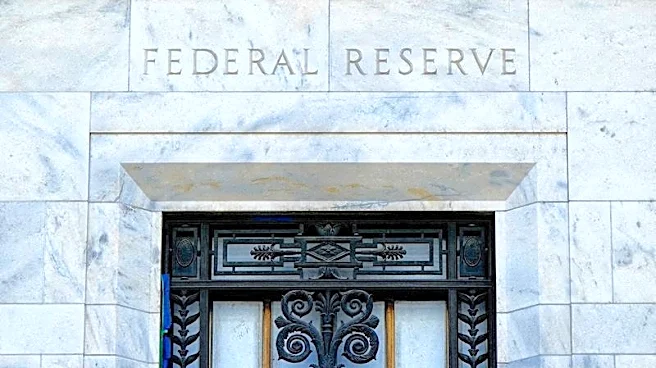
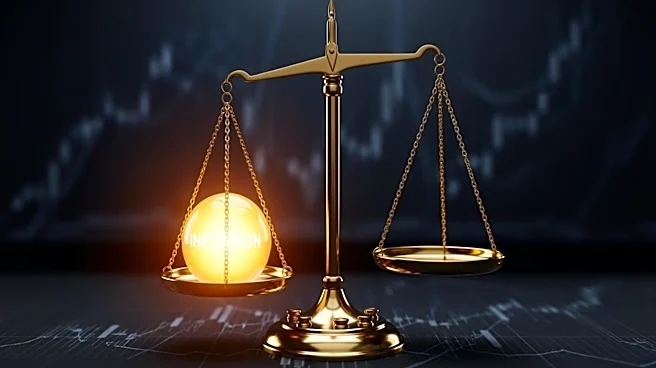
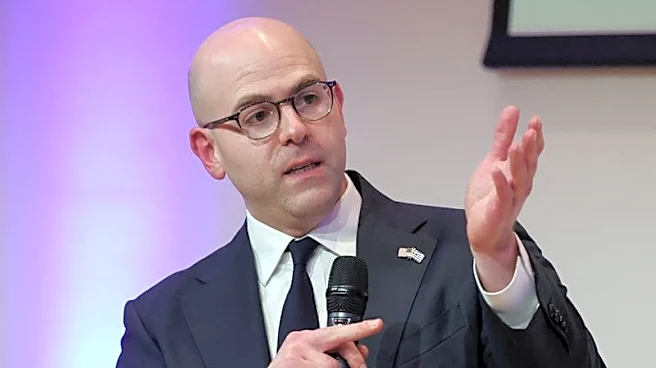
Kevin Warsh is expected to be confirmed as the new chair of the Federal Reserve, succeeding Jerome Powell. Warsh, who has been critical of the Fed's current policies, is set to inherit a central bank grappling with persistent inflation, which has exceeded
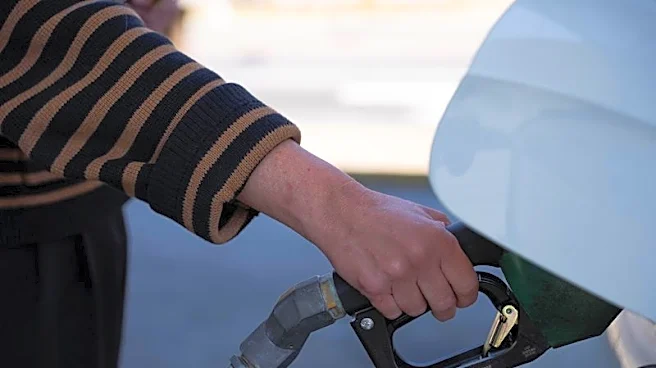
the Fed's 2% target for over five years. The inflationary pressures are exacerbated by rising fuel costs due to the conflict in Iran. Warsh's appointment comes at a time when President Trump is pushing for lower interest rates, a stance that may conflict with the economic realities Warsh will face. Additionally, Powell's decision to remain on the board as a governor could present challenges for Warsh, as it provides a focal point for those within the Fed who may oppose his agenda.
Why It's Important?
Warsh's confirmation is significant as it marks a potential shift in the Federal Reserve's approach to monetary policy. His leadership will be crucial in addressing the ongoing inflation issues, which have implications for the broader U.S. economy, including consumer prices and interest rates. The Fed's decisions under Warsh could impact everything from mortgage rates to job market conditions. Moreover, Warsh's relationship with President Trump and his ability to maintain the Fed's independence will be closely watched, as any perceived political influence could undermine confidence in the central bank's decisions.
What's Next?
Following his confirmation, Warsh will need to navigate a divided Federal Reserve committee and address the immediate challenge of inflation. His approach to interest rates and the Fed's balance sheet will be critical in shaping the economic landscape. Warsh's ability to balance the demands of the White House with the economic realities will be a key test of his leadership. Additionally, the presence of Jerome Powell on the board may influence internal dynamics and decision-making processes within the Fed.