
What's Happening?
Kevin Warsh, nominated by President Trump as the next chair of the Federal Reserve, is facing significant pressure from the bond market, often referred to as 'bond vigilantes,' to raise interest rates.
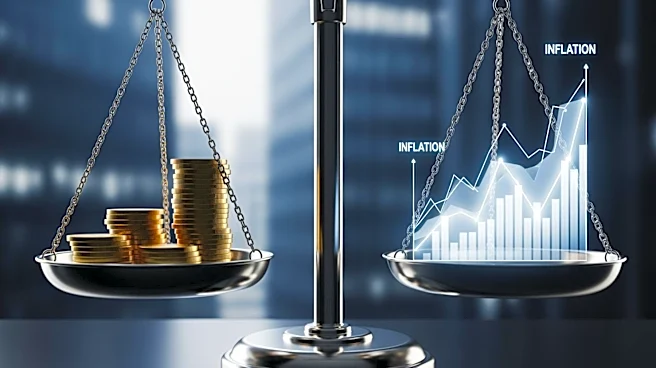
This pressure comes amid a surge in Treasury yields, with the 30-year bond reaching its highest level in nearly a year. Ed Yardeni, a market veteran, suggests that Warsh may need to increase rates to establish credibility and address inflation concerns, which have been exacerbated by the ongoing Iran war and other factors. Despite Warsh's initial belief that the Fed could lower its benchmark interest rate, the market is now pricing in a potential rate hike, with a 42% chance of an increase by the end of the year.
Why It's Important?
The potential decision to raise interest rates is significant as it could impact borrowing costs across the U.S. economy. Higher rates could lead to increased mortgage rates and corporate financing costs, affecting both consumers and businesses. The bond market's reaction to the Fed's policies highlights the delicate balance the central bank must maintain between controlling inflation and supporting economic growth. A rate hike could appease bond investors and stabilize yields, but it also risks slowing down economic activity. The Fed's actions will be closely watched by financial markets, policymakers, and the public, as they could influence economic conditions and President Trump's economic agenda.
What's Next?
The Federal Reserve, under Warsh's leadership, is expected to hold steady at the June meeting but may consider a rate increase in July. Yardeni suggests that the Fed could take its first step towards tightening by removing forward guidance language that implies a rate cut. This move could signal a shift towards a more hawkish stance, potentially calming bond market concerns. The Fed's decisions in the coming months will be critical in shaping market expectations and economic outcomes. Stakeholders, including businesses and consumers, will need to prepare for potential changes in borrowing costs and economic conditions.