
What's Happening?
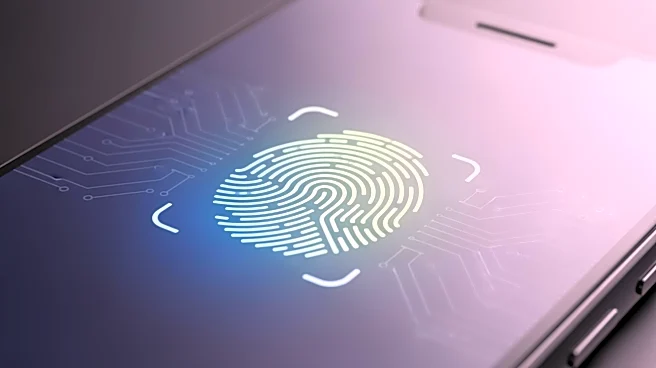
The BHIM Payments App, operated by NPCI BHIM Services Limited, has introduced a new biometric authentication feature for Unified Payments Interface (UPI) transactions. This feature, available on both iOS and Android devices, allows users to approve transactions up
to ₹5,000 using fingerprint or facial recognition technology. The initiative aims to simplify everyday payments, such as sending money to friends, scanning merchant QR codes, and completing online purchases, by reducing the need for manual PIN entry. This development is part of the company's ongoing efforts to enhance user experience by making digital payments more secure and accessible.
Why It's Important?
The introduction of biometric authentication in the BHIM App represents a significant advancement in digital payment security and user convenience. By leveraging unique biometric data, the app reduces the risks associated with traditional PIN-based systems, such as PIN sharing and incorrect entry. This move is expected to increase user trust and adoption of digital payment methods, particularly in high-paced environments where quick and secure transactions are essential. The feature also aligns with broader trends in the financial technology sector, where biometric solutions are increasingly being used to enhance security and streamline user experiences.
What's Next?
As the BHIM App rolls out this new feature, users will need to follow a simple setup process within the app to enable biometric transactions. The company will likely monitor user feedback and adoption rates to assess the feature's impact on transaction security and user satisfaction. Additionally, the success of this initiative could prompt further innovations in biometric authentication for higher-value transactions, potentially influencing other digital payment platforms to adopt similar technologies.
Beyond the Headlines
The integration of biometric authentication in digital payments raises important considerations regarding data privacy and security. While biometric data offers enhanced security, it also necessitates robust measures to protect sensitive information stored on user devices. The success of such technologies will depend on maintaining user trust through transparent data handling practices and ensuring that biometric data is not misused or compromised.