







What's Happening?
Jonathan Haidt, a professor at NYU Stern School of Business and author of 'The Anxious Generation,' has raised concerns about the growing market of AI-powered toys and their potential impact on children's relationships with their parents. Speaking at a recent
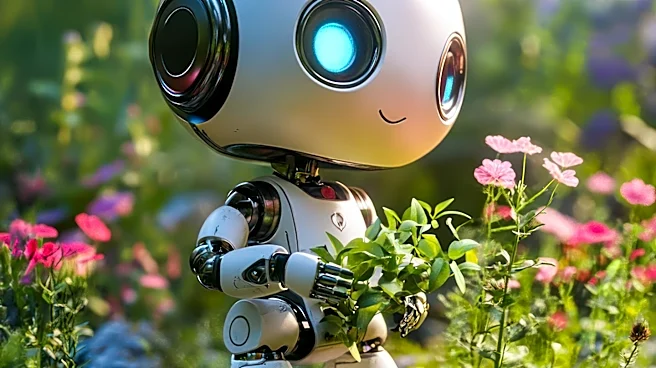
TED Talk, Haidt highlighted that AI toys, such as chatbots integrated into dolls and teddy bears, are becoming increasingly popular. These toys are designed to be highly responsive, offering comfort and companionship to children, which could interfere with the natural parent-child bond. Haidt warns that if AI companions become more reliable than parents in responding to children's needs, they could occupy an unhealthy role in a child's emotional development. The global smart toy market, including AI toys, is projected to grow significantly, raising questions about the long-term effects on children's social and emotional growth.
Why It's Important?
The introduction of AI toys into children's lives could have profound implications for their emotional and social development. As these toys become more prevalent, they may alter the traditional dynamics of parent-child relationships. The constant availability and responsiveness of AI companions might lead children to form attachments to these devices rather than their parents, potentially compromising familial bonds. This shift could have long-term effects on how children develop emotional intelligence and interpersonal skills. Additionally, the rapid growth of the AI toy market underscores the need for careful consideration and regulation to ensure these products do not inadvertently harm children's development. The concerns raised by Haidt highlight the broader societal implications of integrating AI into intimate aspects of human life, particularly for vulnerable populations like children.
What's Next?
As the market for AI toys continues to expand, there may be increased calls for regulatory oversight to ensure these products are safe and beneficial for children. Policymakers and child development experts might advocate for rigorous safety testing and guidelines to prevent potential negative impacts on children's emotional health. Companies developing AI toys could face pressure to demonstrate the safety and efficacy of their products before they are widely adopted. Additionally, parents and educators may need to be more vigilant in monitoring the use of AI toys and ensuring that they complement rather than replace human interactions. The ongoing debate about the role of technology in children's lives is likely to intensify as AI toys become more integrated into everyday life.