
What's Happening?
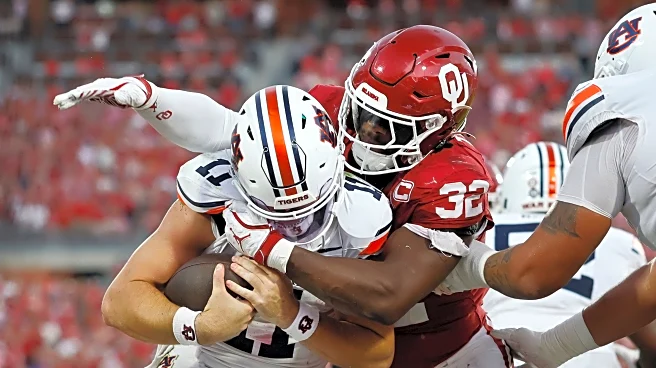
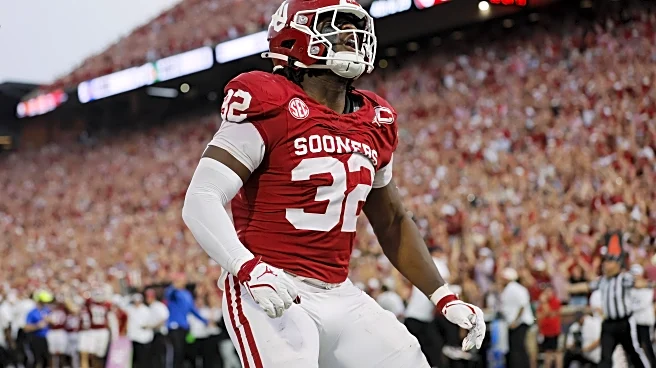
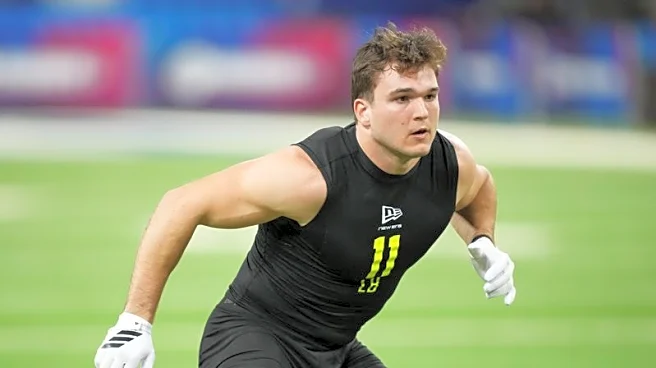
Oklahoma Sooners linebacker Owen Heinecke has filed a lawsuit against the NCAA seeking an additional season of eligibility. This legal action follows the NCAA's denial of his waiver request and appeal. Heinecke, who participated in the NFL Scouting Combine,
is aiming to secure an injunction before the NFL draft on April 23. An emergency hearing is scheduled for April 16 in Cleveland County Court, Oklahoma. The NCAA ruled Heinecke ineligible due to his participation in three lacrosse games at Ohio State in 2021 before transferring to Oklahoma's football program. Despite redshirting in 2022, Heinecke played 39 games over the past three seasons, with a standout performance last season earning him All-SEC second team honors. Oklahoma's athletic director, Roger Denny, expressed full support for Heinecke's pursuit of continued play.
Why It's Important?
This case highlights ongoing tensions between college athletes and the NCAA regarding eligibility rules. Heinecke's lawsuit is part of a broader trend of athletes challenging the NCAA's decisions, which could influence future eligibility policies. The outcome of this case may impact not only Heinecke's career but also set a precedent for other athletes in similar situations. The NCAA's handling of eligibility cases is under scrutiny, and this lawsuit could prompt discussions on the fairness and transparency of its processes. Stakeholders such as universities, athletes, and legal experts are closely watching the case, as it could lead to changes in how eligibility is determined and contested.
What's Next?
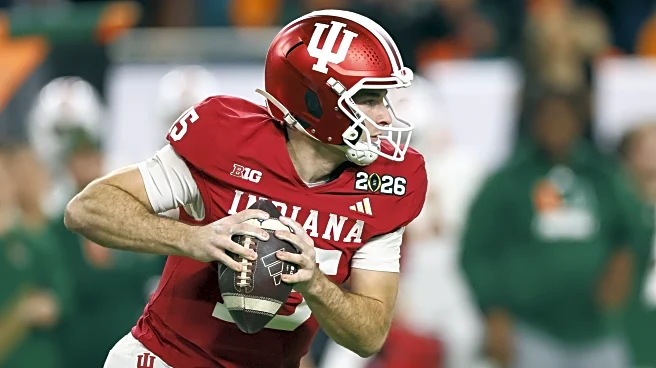
The emergency hearing on April 16 will be a critical moment for Heinecke's case. If the court grants the injunction, Heinecke could potentially participate in the upcoming NFL draft. The NCAA's response to this lawsuit, along with similar cases, may lead to policy reviews or adjustments in eligibility criteria. Other athletes, like Virginia quarterback Chandler Morris, are also pursuing legal action for extended eligibility, indicating a possible increase in such challenges. The NCAA's decisions in these cases could influence its reputation and authority over collegiate sports.