








What's Happening?
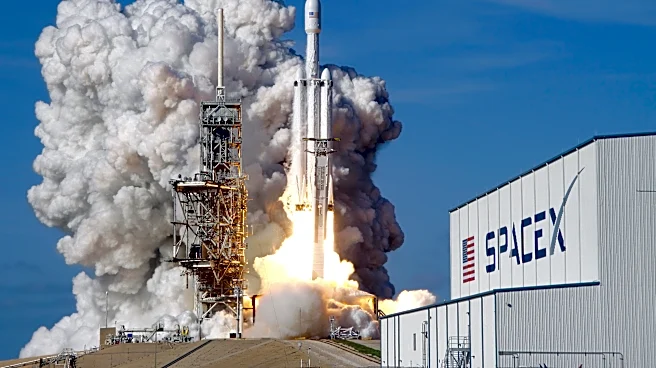
SpaceX is preparing for a significant initial public offering (IPO) that is expected to have a profound impact on its workforce. The company, led by Elon Musk, is anticipated to debut on the stock market with a valuation of approximately $1.77 trillion
and a share price of $135. This move is projected to transform over 4,400 current and former employees into millionaires, with around 400 of them potentially holding stock worth $100 million or more. This broad distribution of wealth is unusual in the IPO landscape, where typically founders and top executives capture the majority of financial gains. SpaceX's first employee, Tom Mueller, highlighted the long-standing promise of equity value, which is now coming to fruition.
Why It's Important?
The IPO of SpaceX is not only a landmark event for the company but also a significant moment for its employees, many of whom will see substantial financial benefits. This democratization of wealth within the company could set a precedent for future IPOs, encouraging other firms to offer more equitable stock options to their employees. The financial windfall for SpaceX employees could also have broader economic implications, potentially increasing consumer spending and investment in various sectors. Additionally, the IPO underscores the growing influence and valuation of private space companies, highlighting the sector's potential to drive economic growth and innovation.
What's Next?
As SpaceX moves closer to its IPO, the company will likely continue to prepare its financials and operations for public scrutiny. The market will be closely watching the IPO's performance, as it could influence investor sentiment towards other private space ventures. Employees who become millionaires may explore new investment opportunities or entrepreneurial ventures, potentially leading to further innovation in the tech and space industries. The success of SpaceX's IPO could also encourage other private companies to consider going public, particularly those in emerging technology sectors.