




What's Happening?
In response to increasing market volatility, experts are emphasizing the importance of building resilient supply chains that can adapt to disruptions in real time. The use of advanced tools such as Transportation Management Systems (TMS), digital twins,
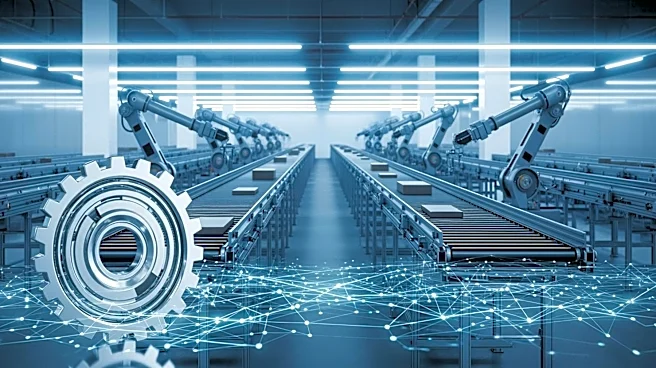
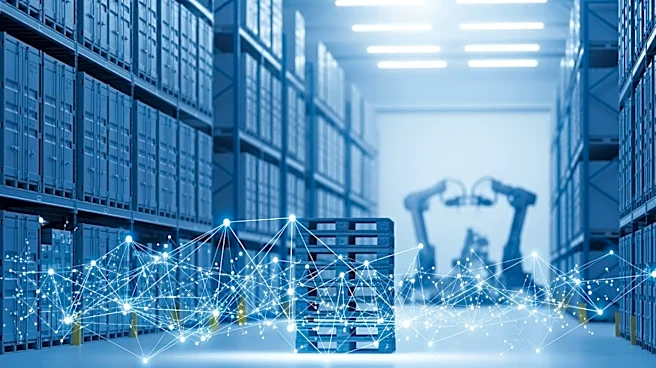
and partnerships with fourth-party logistics (4PL) providers are highlighted as key strategies. These technologies enable companies to centralize logistics operations, optimize routes, and reroute freight efficiently during disruptions. The concept of a digital twin, a virtual replica of a physical supply chain, allows companies to simulate various scenarios and plan contingencies effectively. This approach is crucial for maintaining flexibility and responsiveness in the face of unpredictable market conditions.
Why It's Important?
The ability to adapt to market volatility is critical for companies to maintain competitive advantages and operational efficiency. By leveraging technologies like TMS and digital twins, businesses can gain real-time insights and predictive analytics, allowing them to anticipate and mitigate potential disruptions. This proactive approach not only helps in reducing costs and improving service levels but also ensures that companies can continue to meet customer demands despite external challenges. The integration of these technologies with skilled teams and strategic partnerships further enhances a company's ability to execute informed decisions swiftly, thereby safeguarding their supply chains against ongoing and future uncertainties.
What's Next?
As companies continue to face market disruptions, the adoption of dynamic network strategies is expected to increase. Businesses are likely to invest more in advanced analytics and digital tools to enhance their supply chain resilience. The focus will be on building infrastructure that supports real-time data integration and decision-making capabilities. Additionally, partnerships with 4PL providers will become more prevalent as companies seek external expertise to navigate complex logistics challenges. This trend indicates a shift towards more agile and responsive supply chain models that prioritize flexibility and strategic alignment.
Beyond the Headlines
The push for resilient supply chains also raises important considerations about the ethical and environmental impacts of logistics operations. As companies adopt new technologies, there is an opportunity to incorporate sustainability into their supply chain strategies. This includes reducing carbon footprints through optimized routing and leveraging digital tools to minimize waste. Furthermore, the reliance on advanced technologies necessitates a focus on data security and privacy, ensuring that sensitive information is protected as companies integrate more digital solutions into their operations.