
What's Happening?
The fashion industry is showcasing a variety of handbag trends for the Spring/Summer 2026 season, with a focus on reviving classic designs. Notable designers have introduced new interpretations of iconic
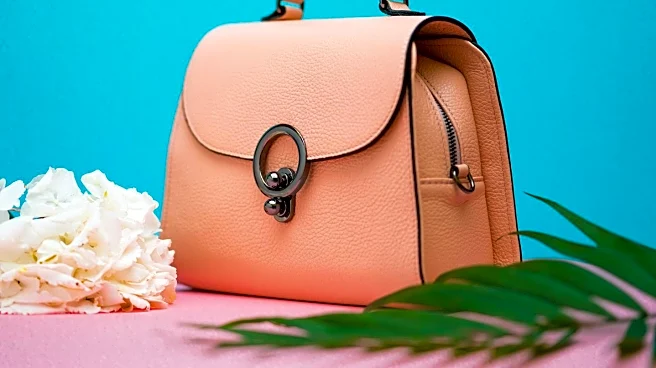
bags, blending traditional elements with modern twists. Matthieu Blazy has reimagined Chanel's 2.55 bags by incorporating structural wire to create a warped, aged effect. At Balenciaga, Pierpaolo Piccioli has updated the Le City bag, while Jonathan Anderson has reworked the Lady Dior. Michael Rider has brought back the Phantom bag at Celine, adding curved zips for a contemporary look. The season also highlights 'ladylike' bags, characterized by their slight silhouettes and top handles, reminiscent of 1940s and 1950s styles. Chain-handled bags are making a comeback, with new designs from Chloé, Ferragamo, and Givenchy, emphasizing both day and evening styles.
Why It's Important?
The revival of classic handbag designs signifies a broader trend in the fashion industry towards nostalgia and timeless elegance. This movement could influence consumer preferences, driving demand for luxury items that offer a blend of heritage and innovation. The emphasis on 'ladylike' and chain-handled bags reflects a shift towards understated luxury, appealing to consumers seeking sophistication and practicality. This trend may impact the strategies of fashion houses, encouraging them to explore their archives for inspiration while maintaining relevance in a competitive market. The resurgence of these styles could also affect retail dynamics, as brands may need to balance the production of classic and contemporary designs to meet diverse consumer demands.
What's Next?
As these Spring/Summer 2026 handbag trends gain traction, fashion houses are likely to continue exploring their archives for inspiration, potentially leading to more revivals of iconic designs. Retailers may adjust their inventory strategies to accommodate the growing interest in classic styles, while designers might experiment with new materials and techniques to modernize traditional silhouettes. The fashion industry could see increased collaborations between established brands and emerging designers, fostering innovation and diversity in design. Additionally, consumer feedback on these trends will likely influence future collections, shaping the direction of luxury fashion in the coming seasons.