





What's Happening?
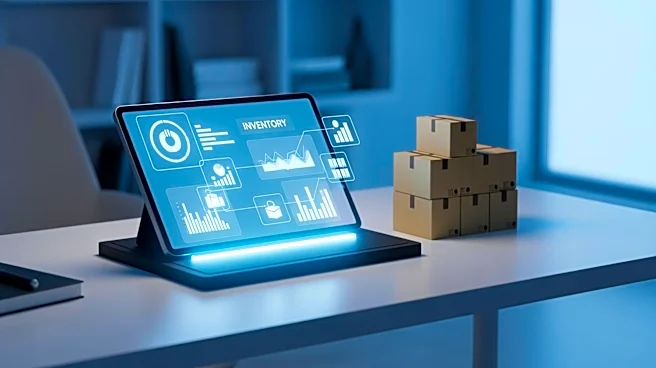
Solo entrepreneurs, such as Steffy Lee Simms and Jen Podany, are increasingly utilizing artificial intelligence (AI) to streamline inventory management processes. These business owners face significant challenges in managing inventory across multiple
sales channels, including websites, Amazon, and wholesale accounts. AI tools have been instrumental in reducing the complexity and mental burden associated with these tasks. For instance, Jen Podany, founder of Bluestone Sunshields, implemented an AI-supported dashboard that integrates data from various platforms, providing a comprehensive view of inventory needs and sales forecasts. This system has significantly boosted her sales, with Amazon sales increasing by 97% year-to-date. Similarly, Steffy Lee Simms, founder of Guava Jammies, uses AI-driven marketing tools to optimize inventory movement and reduce textile waste. These tools have enabled her to make more informed decisions and focus on business expansion opportunities.
Why It's Important?
The adoption of AI by solo entrepreneurs highlights a significant shift in how small businesses manage operational challenges. By leveraging AI, these entrepreneurs can make data-driven decisions that enhance efficiency and reduce the risk of stockouts or overstocking, which are critical for maintaining competitive advantage and customer satisfaction. The ability to automate and optimize inventory management not only improves financial performance but also frees up mental resources for strategic growth initiatives. This trend underscores the growing importance of AI in transforming traditional business operations, particularly for small and medium-sized enterprises (SMEs) that may lack the resources of larger corporations. As AI technology becomes more accessible, it is likely to play an increasingly vital role in the success and sustainability of small businesses.
What's Next?
As AI tools continue to evolve, solo entrepreneurs and small businesses are expected to further integrate these technologies into their operations. This could lead to more sophisticated inventory management systems that offer predictive analytics and real-time adjustments based on market trends and consumer behavior. Additionally, the success stories of entrepreneurs like Simms and Podany may encourage more small business owners to explore AI solutions, potentially leading to a broader adoption across various industries. Stakeholders, including technology providers and business consultants, may also focus on developing tailored AI solutions that address the unique needs of small businesses, further driving innovation and efficiency in this sector.