








What's Happening?
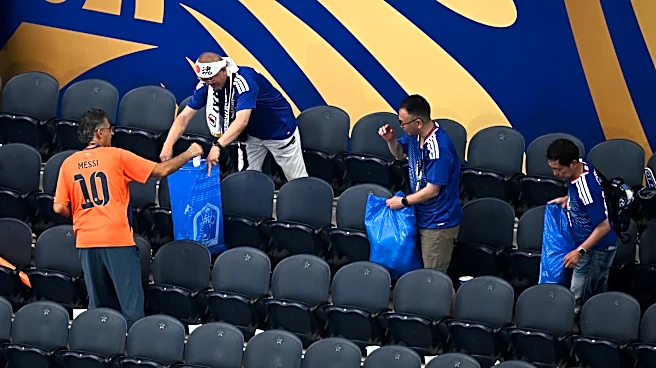
During a World Cup match held at AT&T Stadium in Arlington, Texas, Japanese soccer fans continued their long-standing tradition of cleaning up the stadium after the game. Following Japan's 2-2 draw against the Netherlands, fans used blue bags to collect
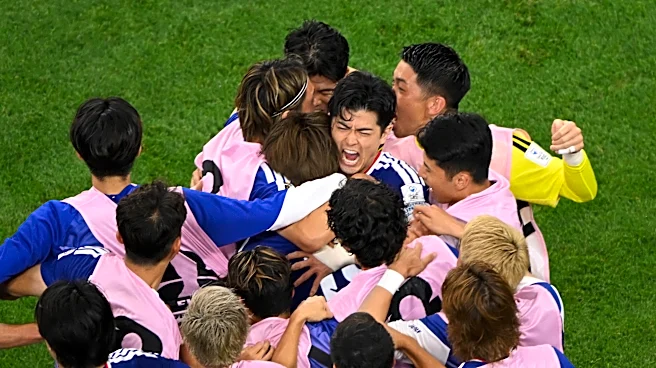
trash from the stands. This practice, which began during Japan's first World Cup appearance in 1998, has become a hallmark of Japanese fan culture. The fans celebrated a late tying goal by Daichi Kamada with the same blue bags, which were later used for cleanup. This act of responsibility and respect for the venue has been consistently observed by Japanese fans at international tournaments, including the 2022 World Cup in Qatar.
Why It's Important?
The Japanese fans' commitment to cleanliness and respect for public spaces sets a positive example for sports fans worldwide. This tradition not only reflects cultural values of responsibility and community but also highlights the potential for sports events to promote environmental consciousness. By leaving the stadium cleaner than they found it, Japanese fans demonstrate a model of civic duty that could influence other fan groups and event organizers to adopt similar practices. This behavior underscores the role of sports as a platform for cultural exchange and the promotion of positive social norms.