





What's Happening?
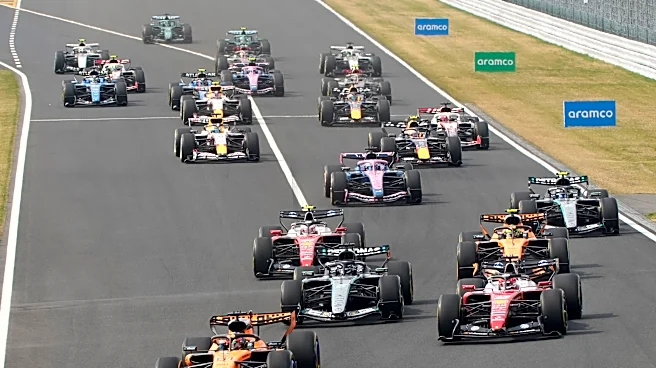
Formula 1 has announced a series of rule changes aimed at addressing concerns related to the new engine regulations introduced this season. The modifications focus on the operation of engines to allow drivers to maximize performance during qualifying
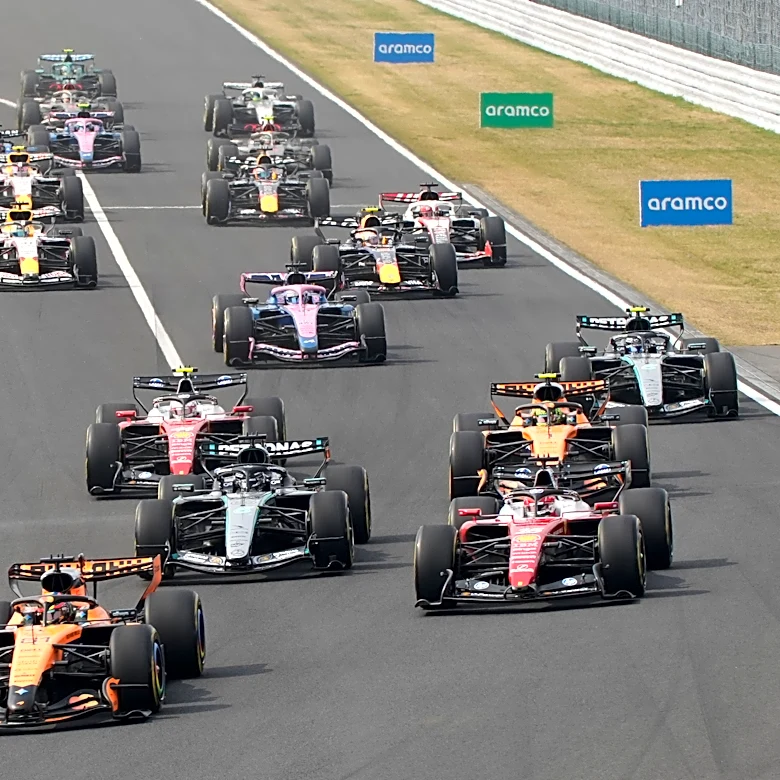
and minimize speed differentials during races. These changes are a response to driver feedback, including concerns from four-time world champion Max Verstappen, who expressed dissatisfaction with the current power-unit dynamics. The adjustments will be trialed at the upcoming Miami Grand Prix, with the goal of enhancing racing quality and safety.
Why It's Important?
The rule changes are significant as they address the balance between internal combustion and electrical power in F1 cars, which has been a point of contention among drivers. By refining engine operations, the changes aim to preserve driver skill and competitiveness, which are central to the sport's appeal. The modifications also seek to improve safety by reducing the risk of large speed differentials, which can lead to accidents. These changes reflect F1's commitment to evolving its regulations to maintain the sport's integrity and excitement while ensuring driver safety.
What's Next?
The upcoming Miami Grand Prix will serve as a testing ground for the new rule changes. The results of this trial will likely influence whether the modifications become permanent. F1's governing bodies will closely monitor the impact of these changes on race dynamics and driver feedback. If successful, the adjustments could set a precedent for future regulatory updates. Additionally, the sport may continue to explore further innovations to enhance performance and safety, potentially leading to more comprehensive changes in the coming seasons.