


What's Happening?
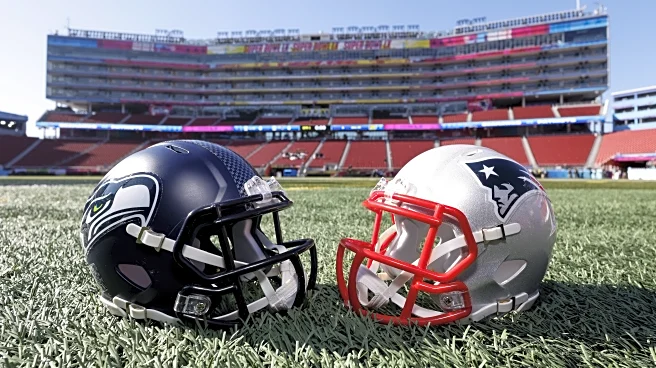
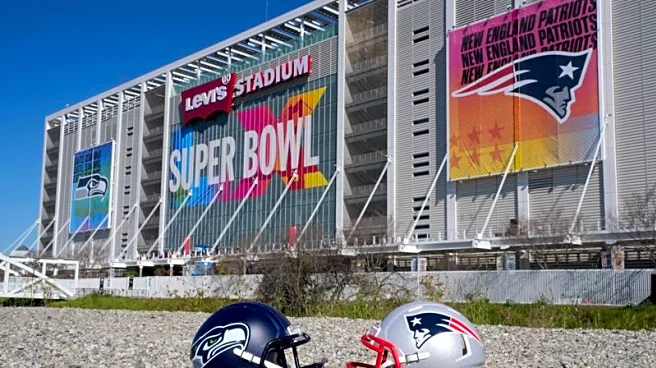
In the 2015 Super Bowl, the Seattle Seahawks faced a critical moment against the New England Patriots. With just over a minute left in the game, the Seahawks were trailing 28-24 and were positioned five yards from the end zone. After a remarkable catch by Jermaine Kearse, the team was poised to regain the lead. However, instead of opting for a run play with their star running back Marshawn Lynch, the Seahawks chose a pass play. Quarterback Russell Wilson's pass was intercepted by Patriots' Malcolm Butler, sealing the victory for New England. This decision by Seahawks' coach Pete Carroll has been heavily criticized over the years, with many arguing that a run play would have been the safer choice.
Why It's Important?
The decision made by the Seahawks in the 2015
Super Bowl has been a topic of debate and analysis in sports circles for years. It highlights the high-stakes nature of decision-making in professional sports, where a single play can determine the outcome of a championship. The play has become a case study in risk management and strategic decision-making, influencing how coaches approach similar situations in future games. For fans and analysts, it underscores the unpredictability of sports and the fine line between victory and defeat. The play also had significant implications for the careers of those involved, particularly for Pete Carroll and Russell Wilson, whose legacies are partly defined by this moment.
What's Next?
While the 2015 Super Bowl is in the past, its impact continues to resonate in the NFL. Coaches and teams may use this play as a learning tool, analyzing the decision-making process and its consequences. For the Seahawks, the focus remains on building a team capable of returning to the Super Bowl and potentially rewriting their legacy. As for the Patriots, the interception by Malcolm Butler is celebrated as a pivotal moment in their storied history. The ongoing discussion around this play ensures that it remains a part of NFL lore, influencing how future games are strategized and remembered.