





What's Happening?
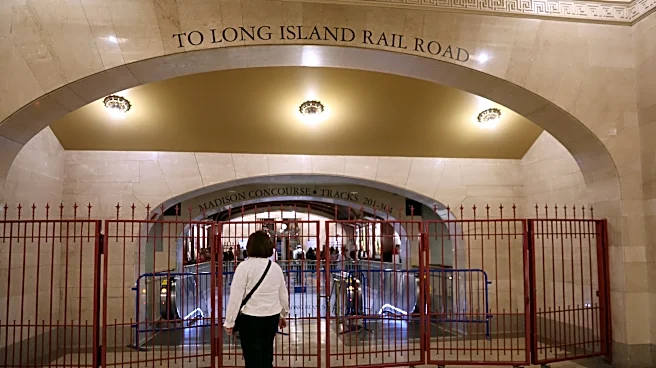
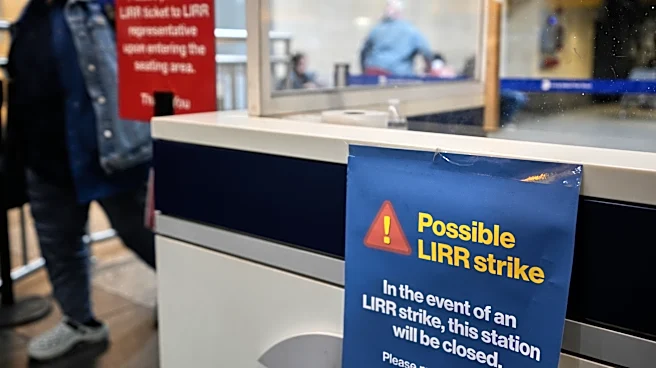
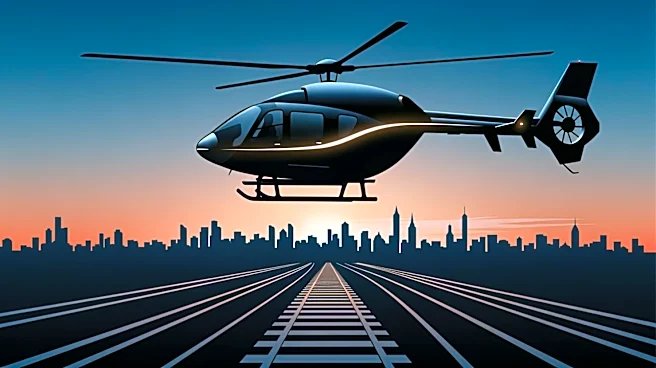
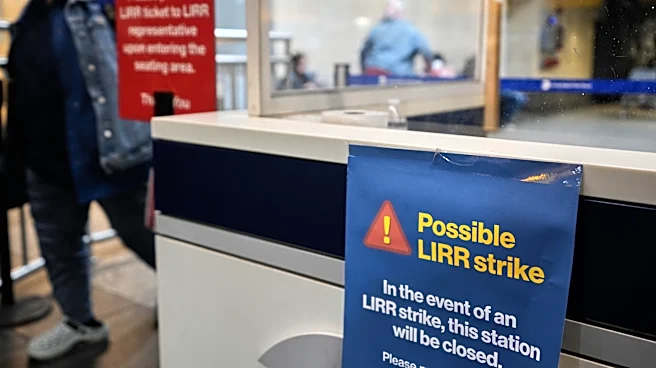
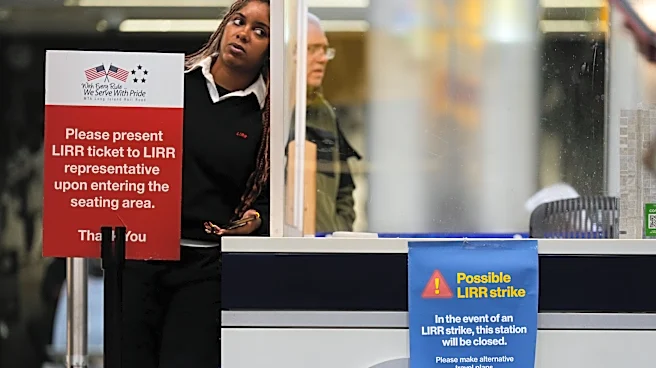
Blade Urban Air Mobility is providing helicopter commutes for $95 during the ongoing Long Island Rail Road (LIRR) strike, which has disrupted service for over 270,000 daily passengers. The strike, initiated by five unions demanding better pay and working
conditions, has left Long Island residents without easy access to New York City. Blade's offer is half of its usual fare, aiming to attract commuters who typically rely on the LIRR. The company is experiencing high demand, with many commuters opting for the five-minute helicopter ride over the hour-long car journey. Blade's CEO, Rob Wiesenthal, highlights the time-saving benefits and the potential for urban air mobility to transform commuting. However, Blade can only accommodate a small fraction of the LIRR's usual ridership.
Why It's Important?
The LIRR strike highlights the vulnerability of traditional commuting methods and the potential for alternative transportation solutions like urban air mobility. Blade's helicopter service offers a glimpse into the future of commuting, where electric vertical takeoff and landing (eVTOL) aircraft could provide a quieter, zero-emission alternative to helicopters. This development could significantly impact urban transportation, reducing congestion and travel times. However, the high cost of helicopter commutes may limit accessibility for average commuters, and the noise from increased helicopter traffic could raise concerns among Manhattan residents. The strike also underscores the importance of resolving labor disputes to maintain essential public services.
What's Next?
As the LIRR strike continues, Blade plans to expand its service by adding more seats to meet demand. Once the strike ends, Blade will revert to its regular pricing, though it offers a $195 annual commuter pass for frequent flyers. The future of urban air mobility depends on the successful development and certification of eVTOL aircraft, which promise to reduce noise and operational costs. Companies like Joby Aviation are leading the charge, with plans to introduce commercial eVTOL services soon. The adoption of flying taxis could revolutionize urban commuting, but it requires overcoming regulatory hurdles and public acceptance challenges.