


What's Happening?
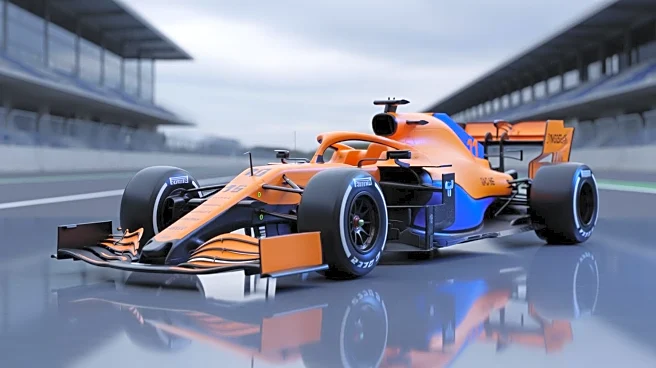
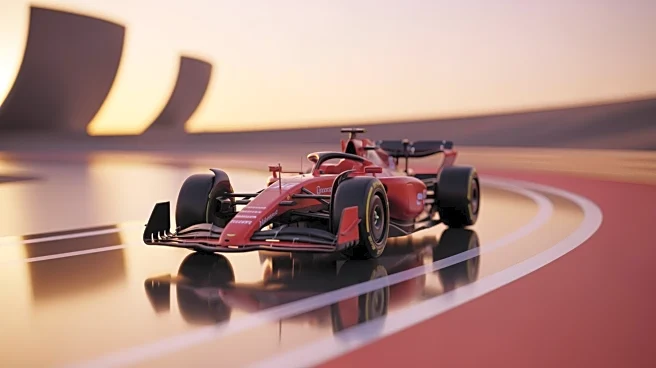
Max Verstappen, a prominent Formula 1 driver, has expressed dissatisfaction with the new F1 cars, stating that they have transformed the sport into an exercise in 'management' rather than pure driving. The revised cars and engines, which are part of the biggest regulation change in F1 history, require drivers to focus more on energy management than on driving at full speed. Verstappen highlighted that the new cars, which run on carbon-neutral sustainable fuel, have altered the traditional driving experience, as drivers must now manage energy recovery systems that affect their speed and handling. Despite these concerns, Verstappen remains optimistic about Red Bull's performance in the upcoming season.
Why It's Important?
The changes in F1 regulations and car designs
have significant implications for the sport and its stakeholders. The shift towards energy management over traditional driving skills could alter the competitive landscape, potentially benefiting teams that adapt quickly to the new requirements. This evolution reflects broader trends in motorsport towards sustainability and energy efficiency, aligning with global environmental goals. However, it also raises questions about the future of F1 as a spectator sport, as fans and drivers alike may find the new style of racing less thrilling. Teams that can effectively balance energy management with speed will likely gain a competitive edge.
What's Next?
As the F1 season progresses, teams will continue to refine their strategies to maximize performance under the new regulations. The initial races will provide insights into which teams have successfully adapted to the changes and which may struggle. Stakeholders, including teams, sponsors, and fans, will be closely watching to see how these developments impact the sport's dynamics. Additionally, ongoing feedback from drivers like Verstappen may influence future regulatory adjustments to enhance the driving experience while maintaining sustainability goals.