








What's Happening?
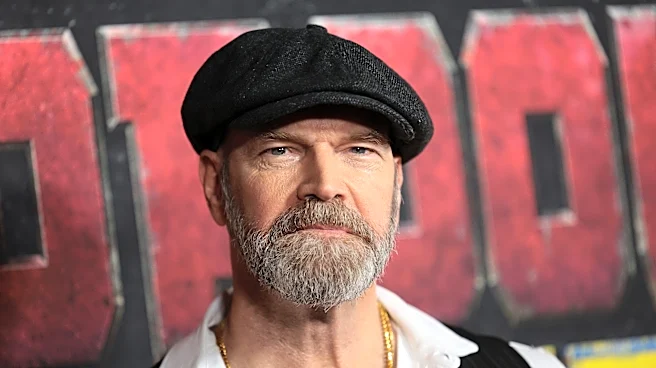
Tyler Mane, known for his role as Sabretooth in the X-Men film series, has publicly announced his diagnosis with a rare form of breast cancer. Mane shared his experience on Instagram, expressing initial embarrassment and a desire to keep the diagnosis private.
However, he realized that the lack of discussion around male breast cancer contributes to late diagnoses. Mane's wife encouraged him to seek medical attention, leading to the early removal of a lump. He emphasized that only 1% of breast cancer cases occur in men, but early detection significantly improves treatability. Mane plans to document his journey on social media to raise awareness about this often-overlooked issue.
Why It's Important?
Mane's revelation sheds light on the critical issue of male breast cancer, a condition that is rarely discussed and often diagnosed at advanced stages due to societal stigma and lack of awareness. By sharing his story, Mane aims to break the silence and encourage men to be vigilant about their health. This could lead to increased awareness and earlier detection, potentially saving lives. The actor's openness may inspire other public figures to share their health challenges, further normalizing conversations about male breast cancer and reducing the stigma associated with it.
What's Next?
Mane intends to continue sharing his experiences with breast cancer on his Instagram account, aiming to educate his followers and the broader public. This ongoing documentation could foster a community of support and awareness, encouraging more men to seek medical advice for similar symptoms. Additionally, healthcare providers might become more proactive in discussing breast cancer risks with male patients, potentially leading to earlier diagnoses and better outcomes.
Beyond the Headlines
Mane's case highlights the broader cultural and medical challenges associated with male breast cancer. The actor's experience underscores the need for increased research and funding dedicated to understanding and treating breast cancer in men. It also raises questions about the role of gender norms in healthcare, as societal expectations may discourage men from seeking help for conditions perceived as 'female' diseases. This development could prompt a reevaluation of how health education and awareness campaigns are designed and targeted.