
What's Happening?
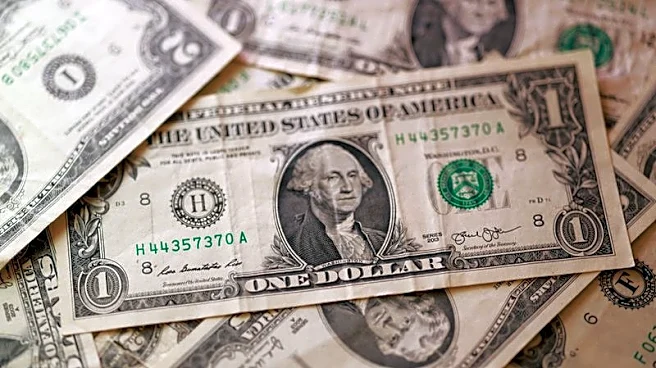
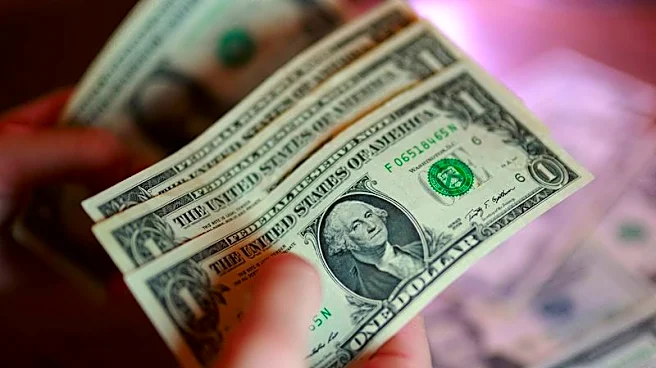
The Nepal Rastra Bank has released the foreign exchange rates for today, detailing the buying and selling rates for major currencies against the Nepalese rupee. The US dollar is set at NPR 148.39 for buying and NPR 148.99
for selling. Other currencies, including the euro, UK pound sterling, and Swiss franc, have also been priced accordingly. The announcement comes amid global economic fluctuations, impacting currency values and exchange rates. The central bank has noted that these rates are subject to change and may differ slightly at commercial banks.
Why It's Important?
The announcement of foreign exchange rates by the Nepal Rastra Bank is crucial for businesses and individuals engaged in international trade and finance. Accurate exchange rates are essential for economic planning and decision-making, affecting import and export activities, investment strategies, and financial transactions. As global economic conditions fluctuate, understanding currency values becomes increasingly important for stakeholders in the financial sector. The rates also reflect broader economic trends and can influence monetary policy decisions.
What's Next?
The Nepal Rastra Bank may continue to monitor global economic conditions and adjust exchange rates accordingly. Businesses and investors will need to stay informed about currency fluctuations to make strategic decisions. The central bank might implement measures to stabilize the currency and mitigate the impact of global economic changes. Additionally, there could be discussions on how to enhance the resilience of the Nepalese economy against external shocks, potentially leading to policy adjustments.
Beyond the Headlines
The fluctuation of foreign exchange rates can have deeper implications for the Nepalese economy, affecting inflation rates and purchasing power. As currency values shift, there may be impacts on consumer prices and the cost of living. Furthermore, the reliance on foreign exchange rates highlights the interconnectedness of global economies, emphasizing the need for international cooperation and economic diplomacy. Long-term shifts in currency values could also influence Nepal's trade relationships and economic growth prospects.