


What's Happening?
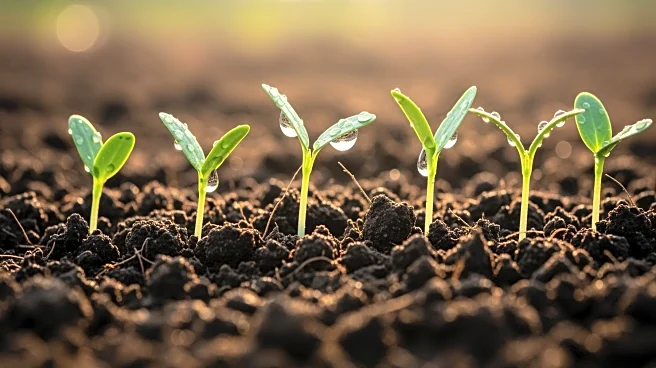
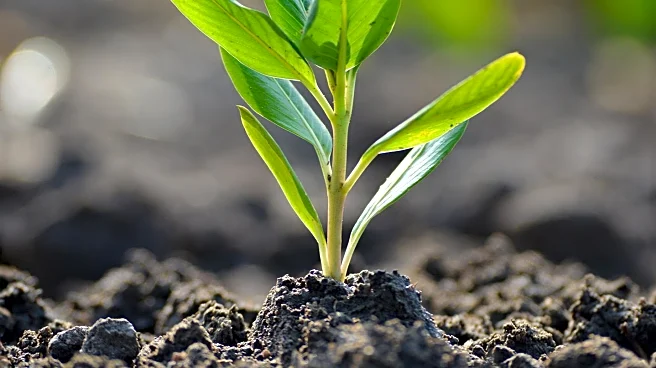
As winter wanes, farmers are advised to prepare their fields with soil amendments to enhance productivity. March is an ideal time to incorporate amendments such as compost, mulch, worm castings, and leaf mold. These organic materials improve soil fertility,
structure, and moisture retention. Compost supports the soil microbiome, while mulch prevents erosion and regulates temperature. Worm castings provide a gradual release of nutrients, and leaf mold enhances moisture and temperature regulation. Farmers are encouraged to source these materials locally to reduce costs and promote sustainability.
Why It's Important?
Implementing soil amendments in March is crucial for optimizing farm productivity and sustainability. These practices improve soil health, leading to better crop yields and resilience against environmental stressors. By enhancing soil structure and fertility, farmers can reduce reliance on synthetic fertilizers, which are often costly and environmentally damaging. The use of organic amendments also supports biodiversity and soil microbiome health, contributing to long-term agricultural sustainability. As climate change impacts farming practices, adopting sustainable soil management techniques becomes increasingly important for food security and environmental conservation.