




What's Happening?
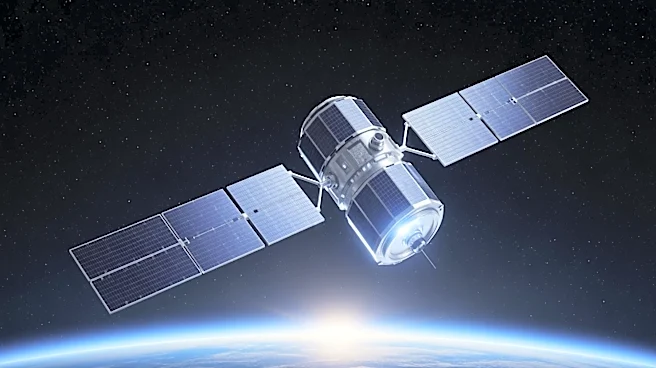
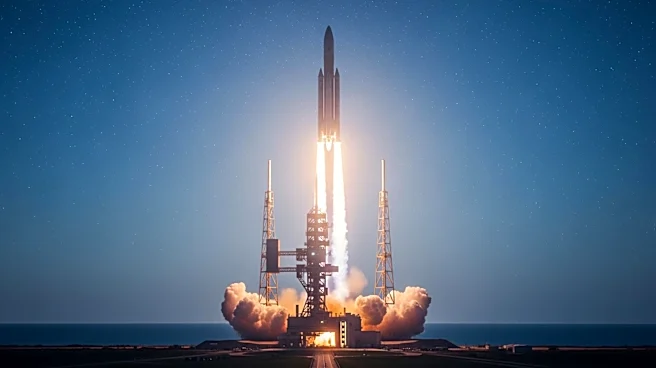
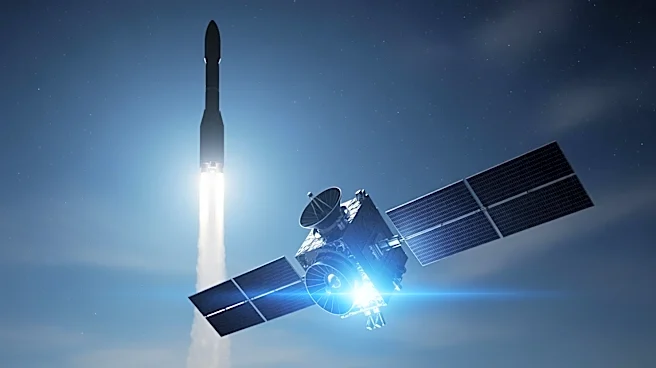
SpaceX successfully launched a batch of 29 Starlink V2 Mini satellites into low Earth orbit from Cape Canaveral Space Force Station. This mission, known as Starlink 10-38, is part of SpaceX's ongoing effort to expand its broadband internet service, which
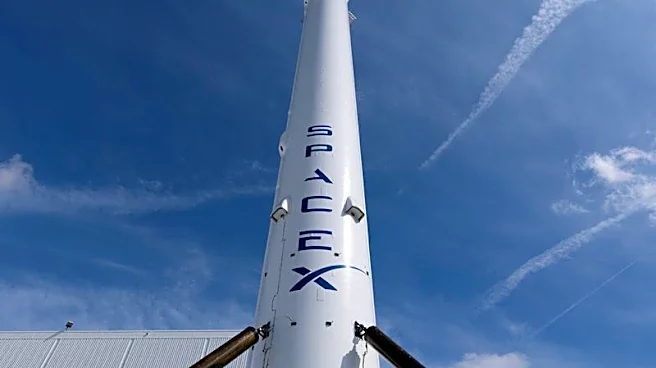
now includes over 10,000 satellites. The launch was conducted using a Falcon 9 rocket, which took off on a north-easterly trajectory. The mission marks the 43rd Starlink launch of the year, highlighting SpaceX's commitment to enhancing global internet connectivity. The Falcon 9 first stage booster, identified as B1069, completed its 31st flight and successfully landed on the drone ship 'A Shortfall of Gravitas' in the Atlantic Ocean.
Why It's Important?
The expansion of the Starlink satellite constellation is significant for global internet access, particularly in remote and underserved areas. By increasing the number of satellites, SpaceX aims to provide more reliable and faster internet services worldwide. This development is crucial for bridging the digital divide and enabling connectivity in regions lacking traditional infrastructure. Additionally, the successful reuse of the Falcon 9 booster underscores SpaceX's advancements in cost-effective space travel, potentially lowering the barrier for future space missions and commercial satellite launches.
What's Next?
SpaceX plans to continue its aggressive launch schedule, further expanding the Starlink network. The company is also working on enhancing the capabilities of its satellites to improve service quality. As the constellation grows, regulatory and environmental considerations will become increasingly important, with potential impacts on space traffic management and orbital debris mitigation. Stakeholders, including governments and international organizations, may need to address these challenges to ensure sustainable space operations.