
What's Happening?
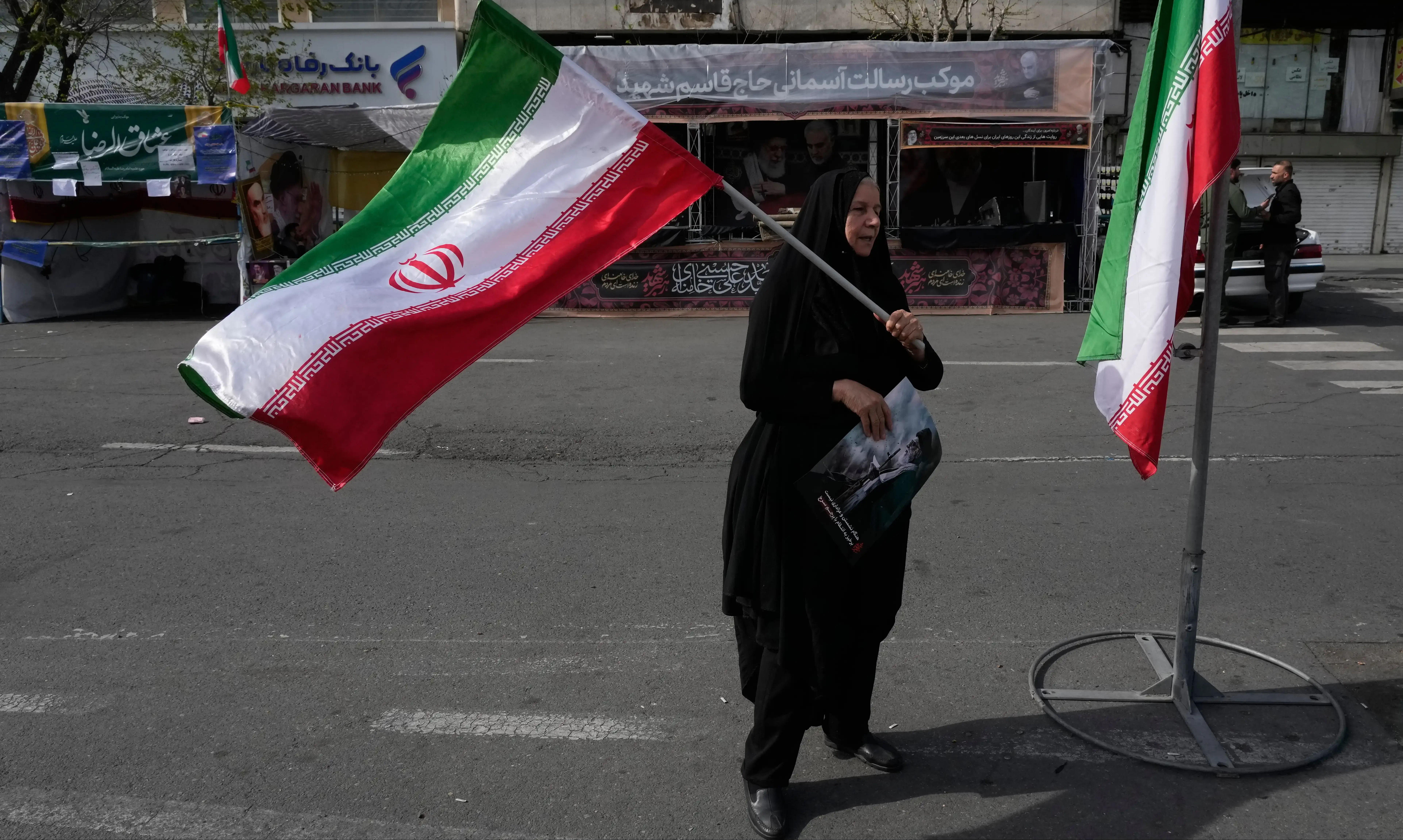
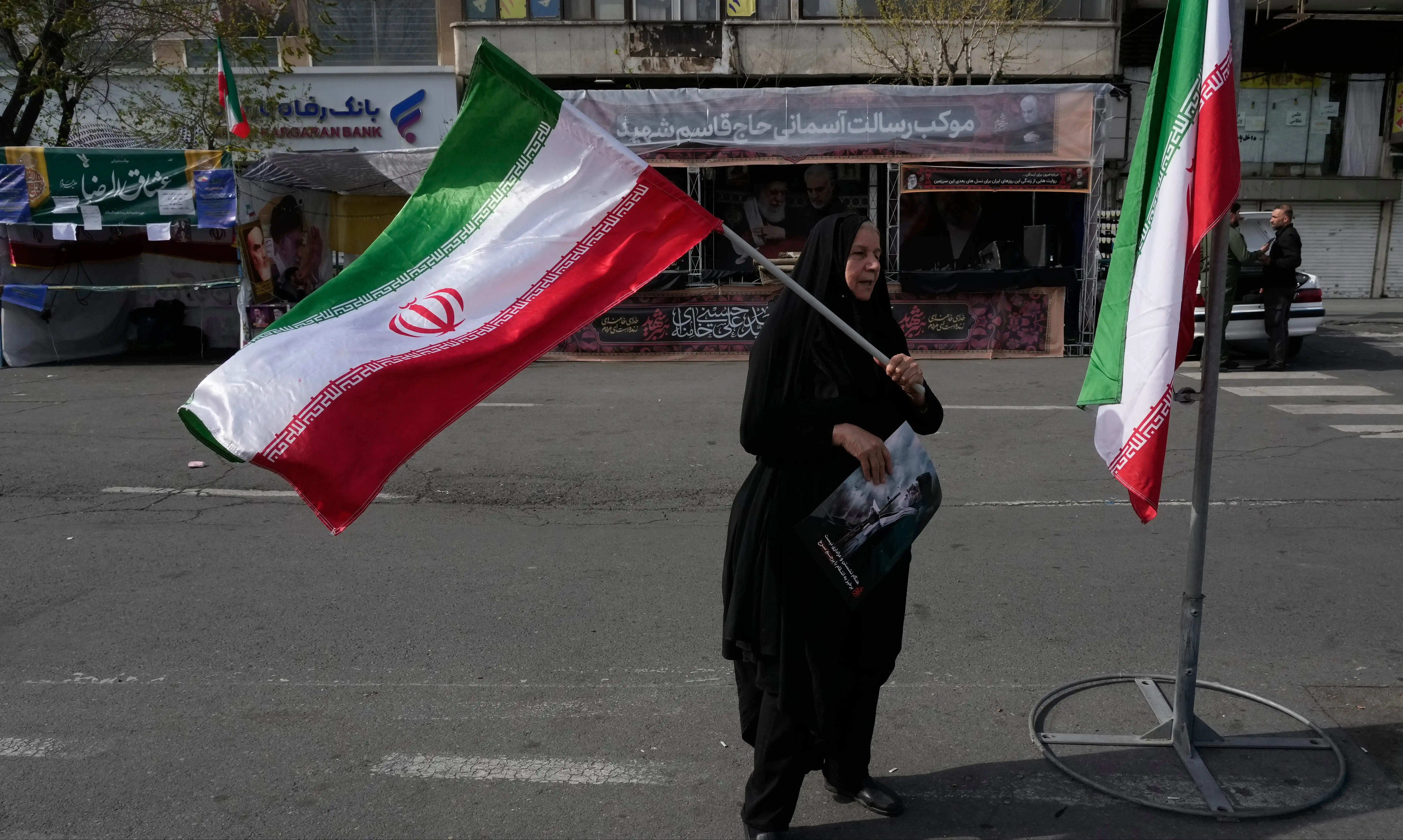
Chevron CEO Mike Wirth expressed uncertainty about the timeline for recovery of energy production in the Middle East, which has been disrupted by the ongoing US-Israel conflict with Iran. Speaking at the CERAWeek conference in Houston, Wirth highlighted
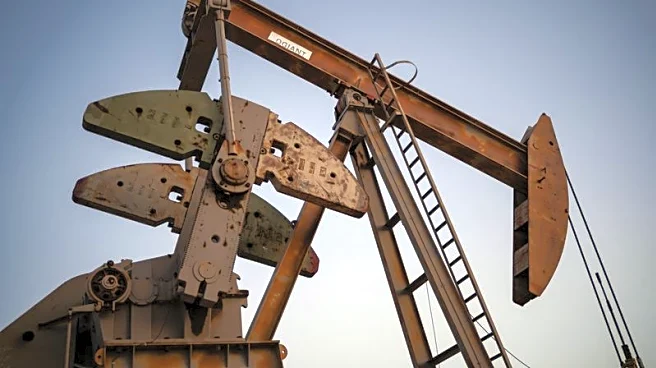
the tightness in the energy market, exacerbated by the closure of the Strait of Hormuz, which has not been fully reflected in forward oil prices. The conflict has led to concerns about supply, particularly in Asia, where diesel and jet fuel shortages are notable. Wirth suggested that sustained higher crude prices could potentially boost US oil production, which is otherwise expected to plateau by the end of the decade. Additionally, Qatar's liquefied natural gas facilities have suffered damage, potentially reducing its LNG capacity by 17% and requiring up to five years for repairs.
Why It's Important?
The disruption in Middle East energy production has significant implications for global energy markets, particularly affecting supply chains in Asia. The potential for sustained higher oil prices could influence US energy policy and production strategies, possibly leading to increased domestic output. This situation underscores the vulnerability of global energy markets to geopolitical conflicts, highlighting the need for diversified energy sources and strategic reserves. The impact on Asia's energy supply could have broader economic repercussions, affecting industries reliant on stable fuel supplies. The situation also presents challenges for policymakers in balancing energy security with geopolitical considerations.
What's Next?
The energy market's recovery will depend on the resolution of the US-Israel conflict with Iran and the reopening of critical shipping channels like the Strait of Hormuz. Stakeholders, including governments and energy companies, will need to monitor developments closely and adjust strategies accordingly. The US may continue to release oil from its Strategic Petroleum Reserve to stabilize markets, while affected countries like Qatar will focus on repairing damaged infrastructure. The situation may prompt discussions on energy diversification and the development of alternative supply routes to mitigate future risks.