


What's Happening?
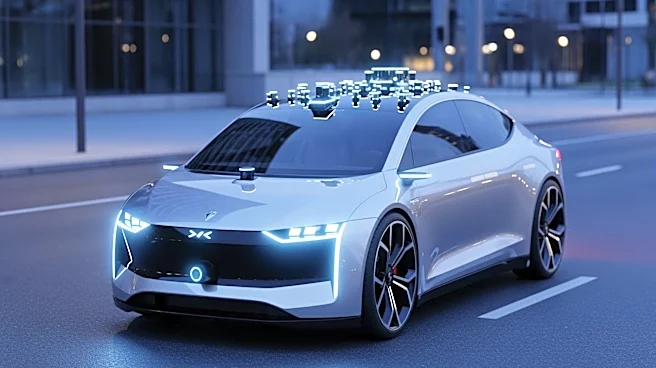
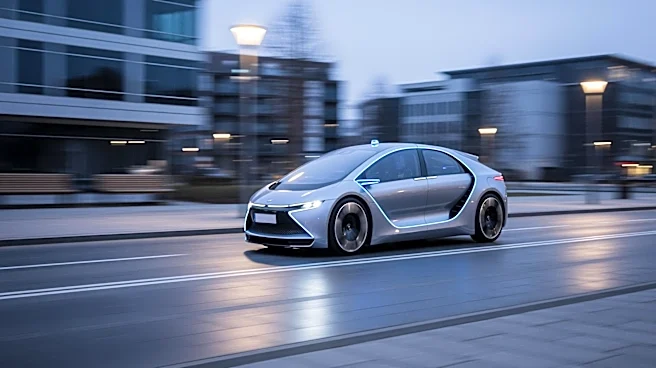
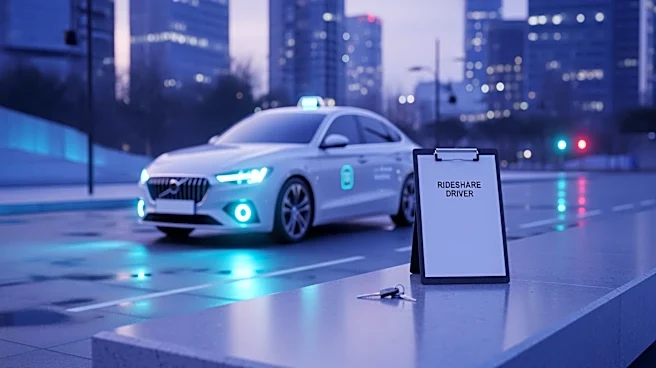
Uber is scaling back its recruitment of new drivers in cities where autonomous vehicles, such as those from Waymo, are operational. CEO Dara Khosrowshahi explained that this strategy is intended to ensure that existing drivers, who are experienced and
have been with the company for a long time, continue to earn a living. This development has raised concerns among rideshare drivers about the potential reduction in earning opportunities due to the spread of robotaxis. However, Uber reports an increase in driver sign-ups as demand for its services grows. In cities like Atlanta and Austin, where driverless cars have been introduced, human drivers are reportedly busier and earning more than their counterparts in cities without such technology. The company suggests that autonomous vehicles are contributing to increased demand for ride-hailing services.
Why It's Important?
The introduction of autonomous vehicles in the ride-hailing industry represents a significant shift that could reshape the job market for drivers. While the reduction in driver recruitment may limit opportunities for new entrants, it also highlights a potential increase in demand for rideshare services, which could benefit existing drivers. This development underscores the broader trend of automation in the transportation sector, which could lead to increased efficiency but also poses challenges for employment. The balance between human drivers and autonomous vehicles will be crucial in determining the future landscape of the ride-hailing industry, impacting economic stakeholders and potentially influencing public policy regarding labor and technology.
What's Next?
As Uber continues to integrate autonomous vehicles into its fleet, the company may further adjust its recruitment strategies and marketing efforts. The ongoing evolution of the ride-hailing industry will likely prompt responses from various stakeholders, including policymakers, labor advocates, and technology developers. The potential for increased demand for ride-hailing services could lead to further innovations and investments in autonomous vehicle technology. Additionally, the impact on employment and the need for regulatory frameworks to address the coexistence of human and autonomous drivers will be areas of focus in the coming years.