





What's Happening?
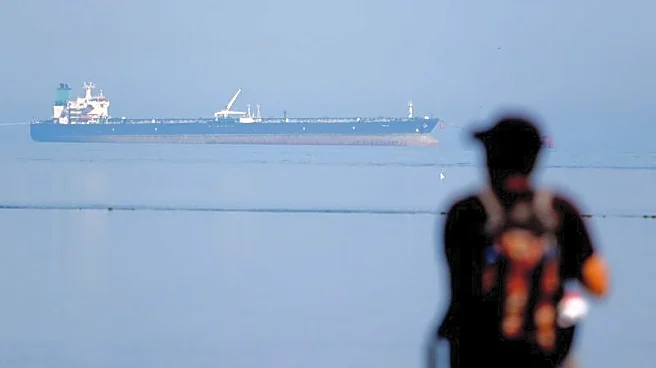
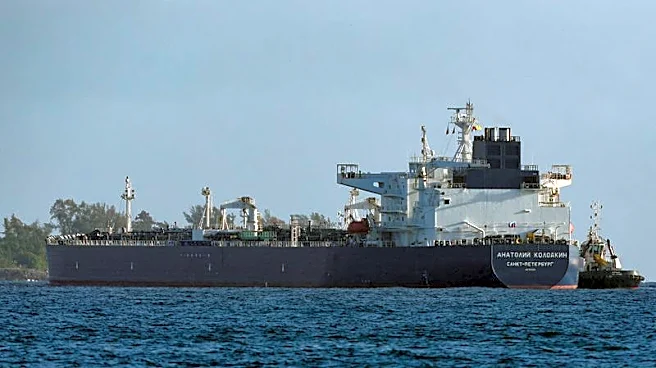
The United States has emerged as the world's largest exporter of liquefied natural gas (LNG), a transformation driven by technological advancements and global demand. This shift began in 2016 with the first large-scale export from the Sabine Pass terminal
in Louisiana. U.S. LNG exports have grown significantly, reaching approximately 15 billion cubic feet per day by 2025. The flexibility of U.S. LNG contracts, which are indexed to Henry Hub prices rather than oil, has been crucial, especially after Russia's invasion of Ukraine in 2022, when Europe increased its reliance on U.S. LNG. Despite this growth, U.S. LNG expansion faces challenges from domestic approval processes and political resistance. The Biden administration paused approvals for LNG exports to non-free-trade-agreement countries in 2024, but this was overturned by a federal court and lifted in 2025. The Gulf Coast remains the center of U.S. LNG activity, while the East and West Coasts face regulatory and political hurdles.
Why It's Important?
The rise of U.S. LNG exports has significant implications for global energy markets and U.S. energy policy. As the largest LNG exporter, the U.S. plays a critical role in global energy security, particularly for Europe and Asia. The flexibility of U.S. LNG contracts provides a competitive advantage, allowing for rapid response to geopolitical events. However, domestic policy decisions, such as the pause on export approvals, highlight the tension between market forces and political constraints. The Gulf Coast's dominance in LNG infrastructure underscores regional economic benefits, but also raises environmental and social concerns. The lack of West Coast export capacity limits U.S. competitiveness in Asian markets, emphasizing the need for strategic policy decisions to maintain U.S. leadership in the LNG sector.
What's Next?
Future growth of U.S. LNG exports will depend on navigating domestic policy challenges and global competition. Legal challenges, state resistance, and financing risks could impact expansion efforts. The U.S. must address environmental concerns and community impacts, particularly in the Gulf Coast region. Strategic decisions over the next decade will determine whether the U.S. maintains its dominant position or faces increased competition from countries like Qatar. The potential development of West Coast terminals could enhance U.S. competitiveness in Asia, but political opposition remains a significant barrier.
Beyond the Headlines
The expansion of U.S. LNG exports raises broader questions about energy policy and environmental justice. The concentration of LNG infrastructure in the Gulf Coast has economic benefits but also environmental and social impacts, particularly in minority communities. Legal and political challenges highlight the need for balanced policy decisions that consider both economic growth and environmental protection. The global demand for U.S. LNG underscores the importance of flexible contracts and geopolitical considerations, but also necessitates careful management of domestic resources and community impacts.