








What's Happening?
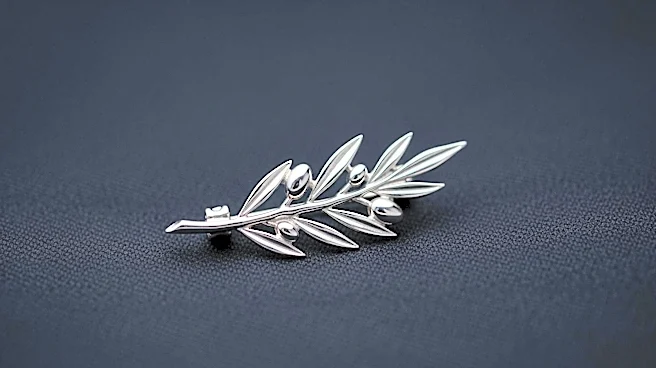
The Iranian national soccer team arrived in Mexico for the World Cup, wearing lapel pins commemorating the victims of a missile strike on an elementary school in Minab, Iran. The pins, marked with the number '168', honor those killed in the February 28
attack, which has been attributed to a likely U.S. strike. The incident has drawn criticism from the United Nations and human rights groups, with the U.S. military denying intentional targeting of civilians. The Iranian team plans to play its group-stage games in the U.S., though visa issues have delayed some members' entry.
Why It's Important?
The tribute highlights ongoing tensions between Iran and the U.S., particularly in the context of international sports events. The missile strike and its commemoration by the Iranian team underscore the intersection of politics and sports, where international events become platforms for political statements. The situation also reflects broader geopolitical dynamics, with implications for U.S.-Iran relations and the role of sports diplomacy in addressing international conflicts.
What's Next?
The Iranian team's participation in the World Cup will be closely watched, particularly regarding their interactions with U.S. authorities and potential political statements during matches. The visa issues may affect team logistics and performance, while the broader geopolitical context could influence public and diplomatic reactions. The World Cup serves as a stage for potential diplomatic engagements or protests, with outcomes that could impact international relations.