





What's Happening?
Aaron Gordon, a forward for the Denver Nuggets, has turned to painting as a form of solace following the tragic loss of his brother, Drew Gordon, who died in a car accident nearly two years ago. The painting, titled 'Caged Bird,' symbolizes his journey
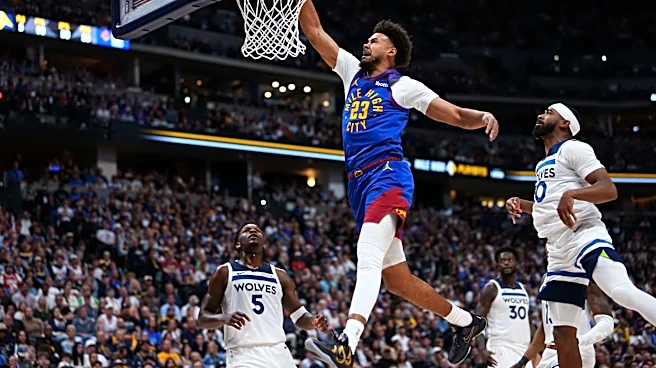
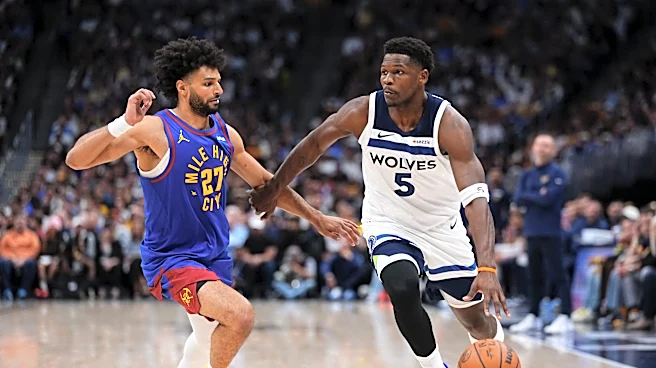
through grief and his quest for peace. Despite missing parts of the NBA season due to a hamstring injury, Gordon remains a pivotal figure for the Nuggets, known for his calming presence and leadership. The team is currently competing in the NBA playoffs against the Minnesota Timberwolves, with the series tied after two games. Gordon's personal journey through art and meditation has helped him process his grief and maintain focus on his role as a team leader.
Why It's Important?
Gordon's story highlights the intersection of personal tragedy and professional responsibility, illustrating how athletes manage personal challenges while maintaining their public roles. His experience underscores the importance of mental health and emotional expression, particularly in high-pressure environments like professional sports. By sharing his journey, Gordon provides a relatable narrative for others facing similar struggles, emphasizing the therapeutic potential of creative outlets. His leadership on the court, despite personal loss, also serves as an inspiration to teammates and fans, demonstrating resilience and the ability to find balance between personal and professional life.
What's Next?
As the NBA playoffs continue, Gordon's role as a leader will be crucial for the Nuggets. His ability to maintain composure and inspire his teammates could influence the team's performance in the series. Off the court, Gordon's engagement with art and meditation may continue to evolve, potentially leading to further initiatives that promote mental health awareness and support for athletes. His story may also encourage broader discussions within the sports community about the importance of mental well-being and the benefits of creative expression.
Beyond the Headlines
Gordon's journey through grief and his embrace of art and meditation reflect broader cultural shifts towards recognizing the importance of mental health in sports. His story contributes to the ongoing dialogue about the pressures athletes face and the need for supportive environments that allow for emotional expression. Additionally, his leadership style, which emphasizes empathy and presence, may influence how teams approach player development and support systems. Gordon's narrative also highlights the potential for athletes to impact societal attitudes towards mental health and wellness.