



What's Happening?
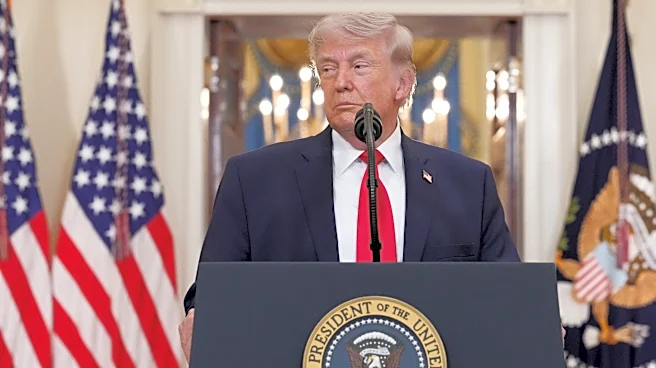
President Trump has signed an executive order aimed at stabilizing college sports by imposing stricter rules on eligibility, transfers, and pay-for-play. The order threatens to cut federal funding to schools that do not comply with these mandates. The order,
signed before the women's Final Four, addresses the rising costs in college sports and calls for federal agencies to ensure compliance. The order also seeks to protect Olympic sports and calls for revenue-sharing reforms. The move is part of Trump's broader efforts to influence college sports policy, which has faced challenges from Congress and educational institutions.
Why It's Important?
The executive order represents a significant federal intervention in college sports, an area traditionally governed by the NCAA and educational institutions. By threatening funding cuts, the order pressures schools to comply with federal mandates, potentially reshaping the landscape of college athletics. The order addresses key issues such as athlete compensation and eligibility, which have been contentious topics in recent years. The potential impact on Olympic sports and revenue-sharing could have long-term implications for college athletics and the opportunities available to student-athletes.
What's Next?
The executive order is likely to face legal challenges from educational institutions and athletes who oppose federal intervention in college sports. The NCAA and other stakeholders will need to navigate the complex legal and regulatory landscape created by the order. The outcome of these challenges could influence future policies on athlete compensation and eligibility. Congress may also play a role in shaping the future of college sports, as lawmakers continue to debate reforms. Stakeholders, including college sports organizations and advocacy groups, will likely continue to advocate for policies that balance athlete rights and the sustainability of college athletics.