





What's Happening?
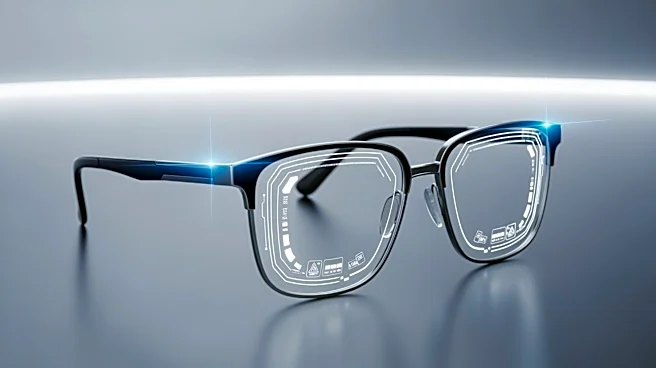
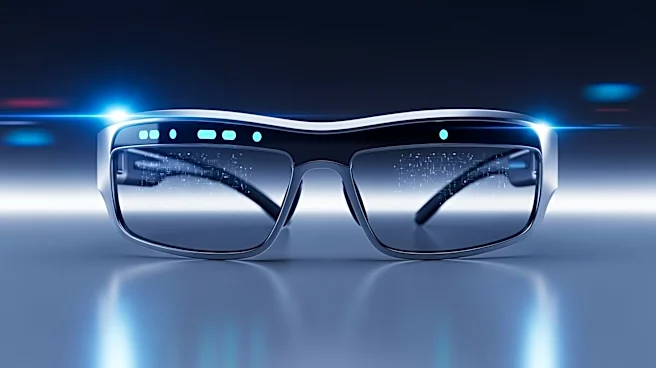
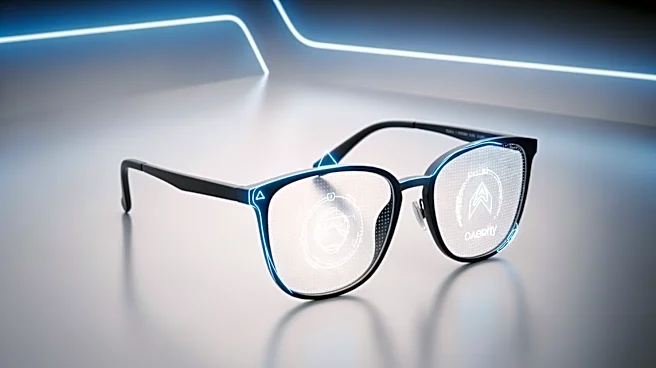
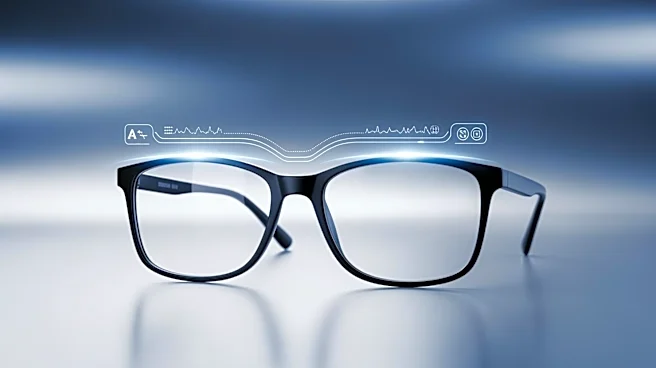
In China, Rokid's AI-powered smart glasses are gaining popularity, outselling competitors like Alibaba despite a higher price point. These glasses feature a virtual display that offers teleprompting capabilities, making them popular among executives and
officials. Rokid is expanding its market presence globally, shipping to countries like the U.K. and Canada, while Meta's Ray-Ban Display faces inventory constraints in the U.S. The global AI glasses market is expected to grow significantly, with Chinese sales projected to double. Rokid's integration of AI features like OpenClaw and Alipay payments highlights its competitive edge.
Why It's Important?
Rokid's success in the AI glasses market underscores the growing demand for smart eyewear that offers practical features beyond basic AR capabilities. The company's focus on teleprompting and AI integration positions it as a strong competitor against established brands like Meta. As the global market for AI glasses expands, Rokid's innovative features and strategic pricing could drive broader adoption, particularly in regions where privacy concerns limit the use of facial recognition technology. The competition between Chinese and Western companies in this space could lead to rapid advancements and diversification of smart glasses offerings.
What's Next?
As Rokid continues to expand its global presence, the company may face challenges related to regulatory compliance and consumer trust, particularly in markets with strict privacy laws. The ongoing competition with Meta and other tech giants will likely drive further innovation and potentially lower prices, making AI glasses more accessible to a wider audience. The integration of AI features and payment systems could also lead to new applications and use cases, further embedding smart glasses into daily life. The market will watch closely to see how Rokid and its competitors navigate these challenges and opportunities.