





What's Happening?
Top U.S. business leaders are expressing concerns that the ongoing conflict with Iran could precipitate a significant economic downturn in the United States. Whirlpool, a major home appliance manufacturer, reported a nearly 10% drop in revenues, attributing
the decline to a 'recession-level industry decline' linked to the war. CEO Marc Bitzer compared the situation to the global financial crisis, noting a rapid deterioration in the macroeconomic environment. The conflict, which began on February 28, has disrupted energy markets, exacerbating an already fragile economic situation. Despite these challenges, President Trump maintains that the economic impacts will be short-lived, arguing that they are a necessary trade-off to curb Iran's nuclear ambitions.
Why It's Important?
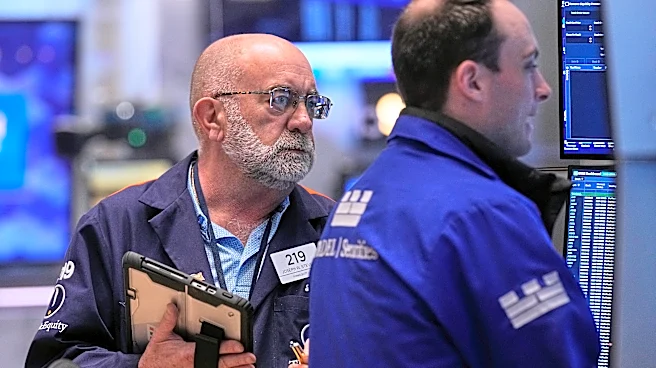
The warnings from CEOs highlight the potential for the Iran conflict to significantly impact the U.S. economy. Disruptions in energy markets could lead to higher inflation and interest rates, reminiscent of past economic recessions triggered by surging oil prices. While some industries, like oil majors, may benefit from supply disruptions, others, such as consumer goods, are facing severe challenges. The situation underscores the interconnectedness of global events and domestic economic stability, with potential long-term implications for consumer confidence and spending. The Trump administration's response and the duration of the conflict will be critical in determining the extent of the economic fallout.
What's Next?
Despite some progress in peace negotiations, hostilities between U.S. and Iranian forces have resumed, complicating efforts to stabilize the situation. The continuation of the conflict could further strain the U.S. economy, with potential impacts on consumer spending and business operations. Economists and industry leaders will be closely monitoring developments, as the resolution of the conflict could either mitigate or exacerbate the economic challenges. The administration's ability to manage these dynamics will be crucial in shaping the economic outlook.