

What's Happening?
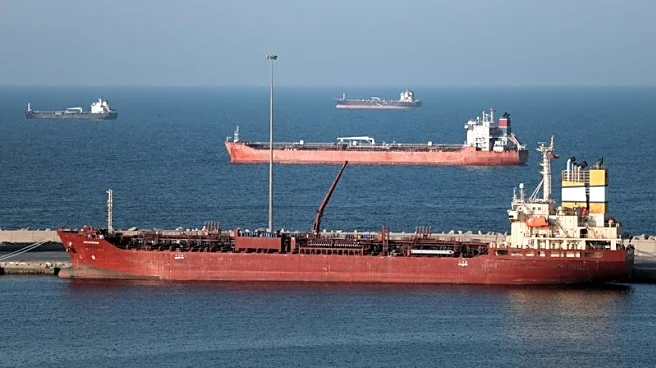
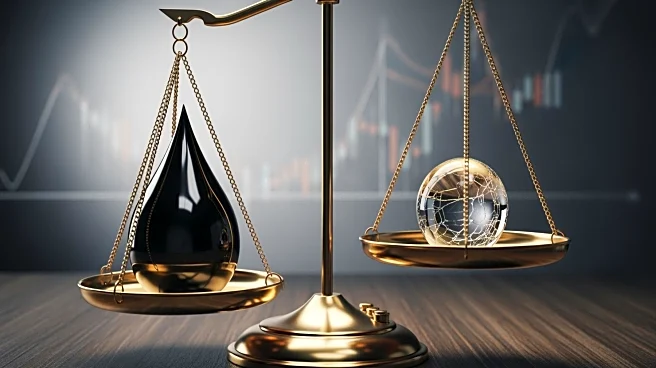
Federal Reserve officials are grappling with rising inflation expectations as oil prices surge due to geopolitical tensions, notably the U.S.-Israeli conflict with Iran. This situation has led to increased gasoline prices, affecting consumer expectations and
bond market yields. The Fed, which aims to maintain inflation at a 2% target, is concerned about the potential drift in public inflation expectations. Recent data, including a University of Michigan survey, indicates a rise in household price expectations over the next year. Fed Chair Jerome Powell and other officials are closely monitoring these developments, as they recall the inflationary psychology of the 1970s that led to aggressive wage and price increases. The Fed is committed to preventing a similar scenario by maintaining a firm stance on inflation control.
Why It's Important?
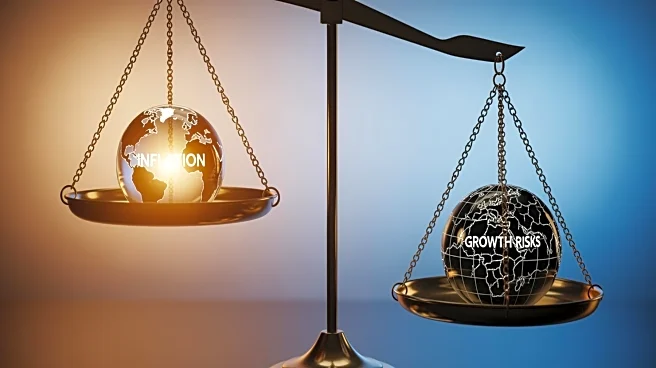
The rising inflation expectations pose a significant challenge to the Federal Reserve's monetary policy. If unchecked, these expectations could lead to higher wages and prices, reminiscent of the 1970s inflation crisis. This situation could force the Fed to adopt a more hawkish policy, potentially increasing interest rates to curb inflation. Such measures could impact economic growth and employment, affecting businesses and consumers. The Fed's ability to manage inflation expectations is crucial for maintaining economic stability and public confidence in its policies. The current scenario underscores the delicate balance the Fed must maintain between controlling inflation and supporting economic growth.
What's Next?
The Federal Reserve is likely to continue monitoring inflation expectations closely, with potential adjustments to interest rates on the horizon. As oil prices remain high, the Fed may signal a readiness to increase rates if inflation expectations continue to rise. This could lead to debates among policymakers about the appropriate metrics to guide their decisions. Investors and businesses will be watching for any indications of policy shifts, which could influence market dynamics and economic forecasts. The Fed's communication strategy will be critical in managing public and market expectations to avoid destabilizing economic impacts.