



What's Happening?
Forbes has published its annual list of the world's billionaires for 2026, revealing a record number of 3,428 individuals with a combined wealth of $20.1 trillion. This marks an increase of 400 billionaires and $4 trillion in total wealth compared to the previous
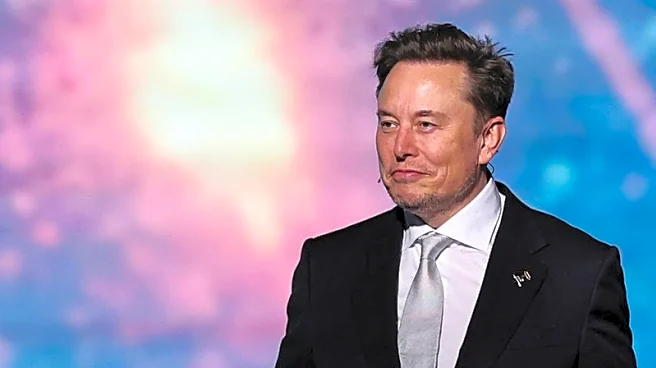
year. Elon Musk, the CEO of Tesla and SpaceX, has retained his position as the richest person globally, with his fortune reaching an unprecedented $839 billion. This figure represents a significant increase from the previous year, nearly doubling his wealth. Musk's financial success places him far ahead of other tech giants, including Google co-founders Larry Page and Sergey Brin, who are ranked second and third, respectively. The list also highlights other notable billionaires such as Jeff Bezos, Mark Zuckerberg, and Warren Buffett, who continue to hold significant positions among the world's wealthiest.
Why It's Important?
The release of Forbes' billionaire list underscores the growing concentration of wealth among a small group of individuals, particularly in the technology sector. Elon Musk's substantial increase in wealth reflects the ongoing dominance and influence of tech companies in the global economy. This concentration of wealth can have significant implications for economic inequality and policy discussions around taxation and wealth distribution. Additionally, the presence of several U.S. billionaires on the list highlights the country's continued leadership in innovation and entrepreneurship. However, it also raises questions about the societal impacts of such wealth disparities and the role of billionaires in addressing global challenges.
What's Next?
As the wealth gap continues to widen, there may be increased pressure on policymakers to address economic inequality through legislative measures. Discussions around wealth taxes and corporate regulations could gain momentum as governments seek to balance economic growth with social equity. Additionally, the philanthropic activities of billionaires like Elon Musk and others on the list may come under scrutiny, with expectations for them to contribute more significantly to societal issues. The tech sector's influence on the economy is likely to persist, prompting further debates on regulation and the ethical responsibilities of tech leaders.