








What's Happening?
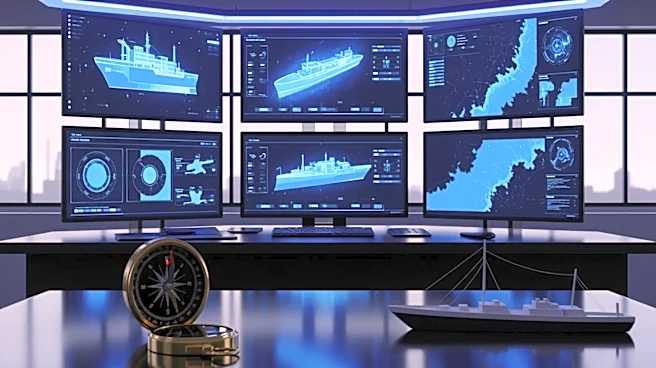
Bureau Veritas Marine & Offshore (BV) is set to launch a new Remote Inspection Technique (RIT) center in Athens, Greece, as part of its efforts to enhance safety and operational efficiency in the shipping industry. This initiative will be unveiled during
a Digital Solutions Seminar at Posidonia 2026. The Athens RIT center is part of a growing network that has expanded from five qualified surveyors in early 2025 to over 15 across approximately seven global centers. BV plans to further expand this network to 16 centers with more than 40 qualified surveyors by the end of 2026. The RIT methodology involves using drone and UAV technology to inspect confined spaces on ships, such as ballast tanks and cargo holds, reducing the need for physical entry into potentially hazardous areas. This approach significantly decreases the risk associated with traditional inspections, which require multiple personnel to enter dangerous environments.
Why It's Important?
The introduction of the RIT center in Athens is significant for the shipping industry as it addresses both safety and economic concerns. By reducing the need for personnel to enter confined spaces, the risk of exposure to toxic gases and extreme conditions is minimized, enhancing worker safety. Additionally, the use of drones and AI-processed data provides shipowners with detailed, auditable inspection records that can extend asset life and preserve resale value. This data-driven approach also aligns with the increasing demands from lenders, insurers, and charterers for objective asset health indicators, supporting compliance with environmental, social, and governance (ESG) frameworks. As the shipping industry faces greater scrutiny, BV's role is evolving to become a data-driven risk partner, providing valuable insights that can influence chartering decisions and sustainability reporting.
What's Next?
Bureau Veritas plans to continue expanding its RIT network, with a goal of establishing 16 centers and over 40 qualified surveyors by the end of 2026. This expansion reflects the growing maturity of the technology and the strategic importance of Greece to international shipping. The adoption of drone-assisted inspections is expected to become more widespread, particularly in high-risk offshore activities, indicating a shift towards more data-driven and technology-enhanced inspection processes in the maritime sector. As the industry adapts to these changes, shipowners and operators will likely need to invest in digital strategies and technologies to remain competitive and compliant with evolving regulatory and commercial pressures.