

What's Happening?
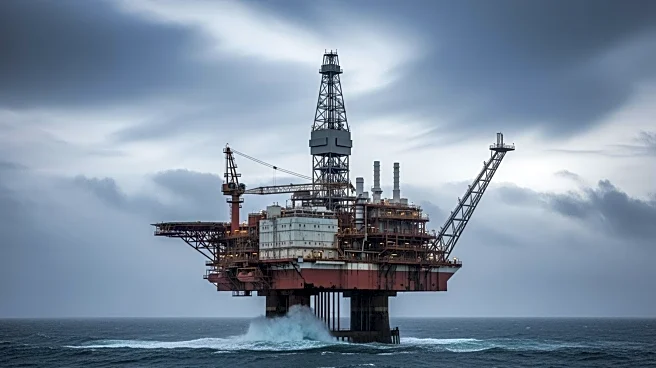
Chevron, along with other major gas companies, is opposing Australia's consideration of a windfall tax on liquefied natural gas (LNG) exporters. The proposal comes as LNG prices surge due to disruptions caused by the conflict in Iran, which has elevated
Australia's position as the world's second-largest LNG supplier. Chevron's director of operations and maintenance, Danny Woodall, criticized the tax as a 'knee-jerk' reaction that could deter investment and undermine energy security. The Australian government is exploring this tax as a means to capitalize on increased LNG prices, with Prime Minister Anthony Albanese requesting the Treasury Department to model potential reforms. The proposed tax could exceed 25%, targeting profits that have surged due to the geopolitical situation.
Why It's Important?
The introduction of a windfall tax on LNG exports could have significant implications for Australia's energy sector and its global competitiveness. Gas companies argue that such a tax would erode project values and make future growth opportunities less viable compared to global alternatives. This could potentially discourage investment in Australia's LNG industry, which is crucial for the country's economic growth and energy security. Additionally, the tax could impact the global LNG market by altering supply dynamics, especially as Australia plays a pivotal role in meeting global energy demands amid geopolitical tensions. The decision could also set a precedent for other countries considering similar measures in response to fluctuating energy prices.
What's Next?
The Australian government is expected to continue deliberations on the proposed windfall tax, with further details anticipated later this year. Stakeholders, including gas companies and policymakers, will likely engage in discussions to balance the need for increased revenue with the potential impact on investment and energy security. The outcome of these discussions could influence Australia's energy policy and its position in the global LNG market. Additionally, the ongoing conflict in Iran and its effects on global energy prices will continue to be a critical factor in shaping Australia's approach to energy taxation and regulation.