







What's Happening?
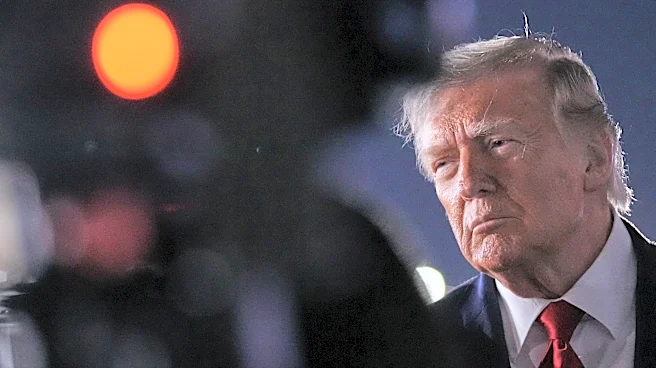
Investors are retreating from the oil market at an unprecedented pace due to extreme price volatility and geopolitical tensions. The market has seen a 17% decline in open interest for Brent crude futures, the fastest rate since 2009. This trend is attributed
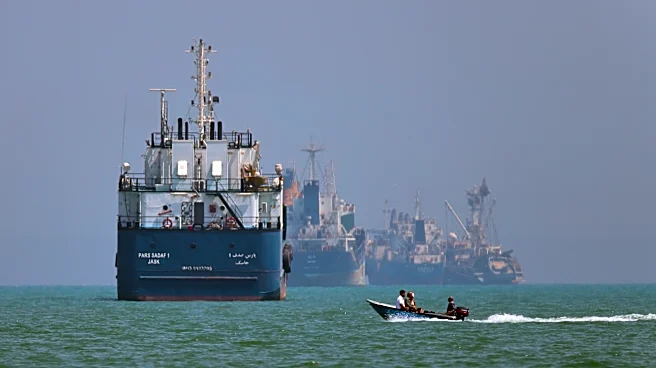
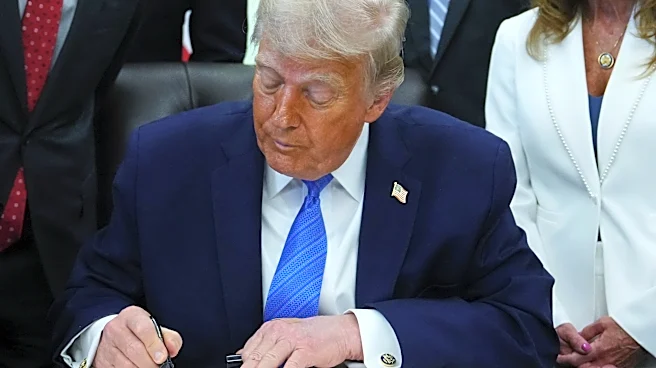
to the unpredictability of U.S. President Donald Trump's social media posts regarding the Iran conflict, which have created a chaotic trading environment. The near-closure of the Strait of Hormuz has further constrained supply, yet the market remains volatile due to policy uncertainty and fluctuating geopolitical dynamics.
Why It's Important?
The retreat of investors from the oil market highlights the challenges posed by geopolitical instability and policy uncertainty. The volatility has drained liquidity, making it difficult for traders to manage risk and leading to larger price swings. This situation underscores the need for stable and predictable policy environments to support market confidence and investment. The ongoing tensions in the Middle East and the potential for further disruptions in key shipping routes add to the complexity, with significant implications for global energy security and economic stability.
What's Next?
The future of the oil market will depend on the resolution of geopolitical tensions and the ability of policymakers to provide clarity and stability. Investors will be closely watching developments in the Iran conflict and any potential diplomatic breakthroughs. Additionally, the market will need to adapt to changing supply dynamics and the potential for further disruptions in key energy chokepoints. The situation calls for a reassessment of risk management strategies and a focus on long-term energy security.