








What's Happening?
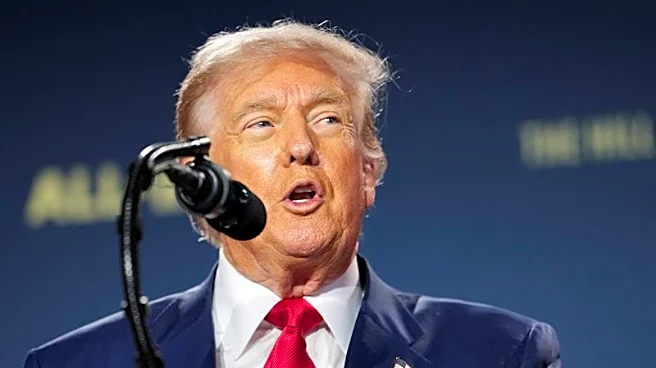
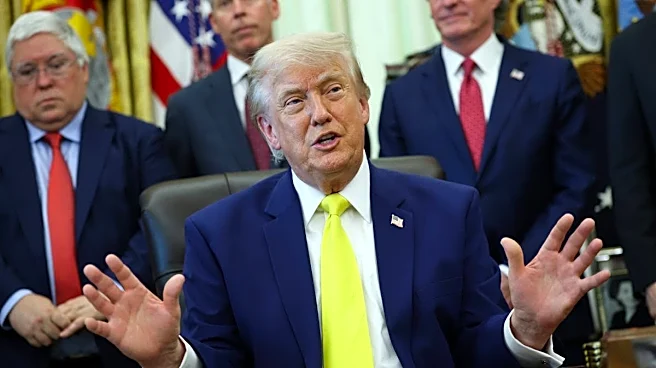
President Trump recently addressed the ongoing debate over the Right to Repair, a contentious issue involving major automakers like Ford and GM. During a meeting, Trump mentioned that these companies had approached him to restrict owners' rights to repair
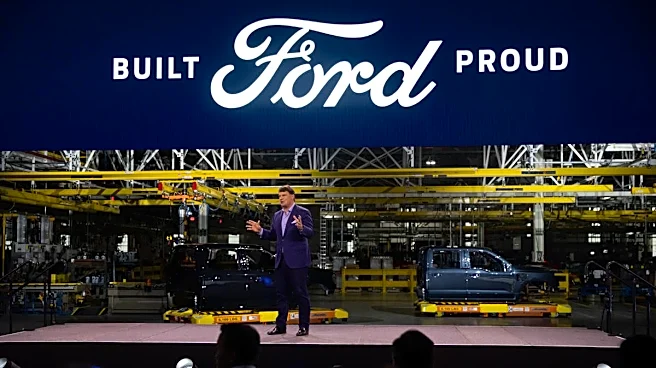
their vehicles, a move he promised to resolve. Ford CEO Jim Farley responded to Trump's comments, defending the company's position by citing safety concerns. Farley argued that while older models like a 1973 Ford Bronco could be repaired at home, modern vehicles pose safety risks if not handled by professionals. Despite a 2014 memorandum where automakers agreed to share repair information, the agreement lacks enforcement, leaving many owners and independent shops without necessary access. Farley emphasized that repairs should be affordable but did not specify how this aligns with the Right to Repair legislation.
Why It's Important?
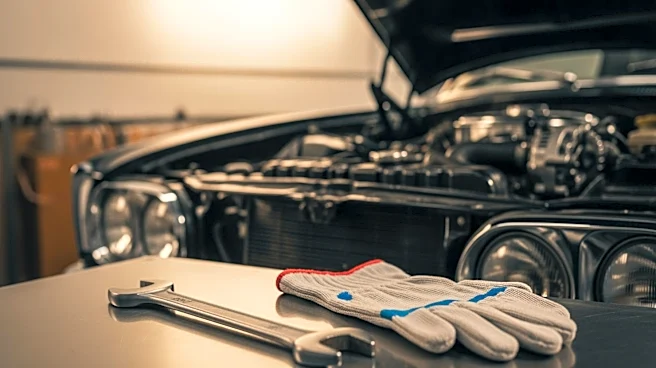
The Right to Repair debate has significant implications for consumers, automakers, and the broader automotive industry. For consumers, the ability to repair their vehicles independently can lead to cost savings and increased vehicle longevity. However, automakers like Ford argue that unrestricted access to repair information could compromise safety and security, as modern vehicles are equipped with complex computer systems. This debate also affects the financial dynamics of the automotive industry, as dealer service revenue has declined, partly due to consumers keeping vehicles longer. The outcome of this debate could influence future legislation, impacting how vehicle repairs are managed and who has access to necessary tools and information.
What's Next?
The federal government, as indicated by President Trump, may take steps to address the Right to Repair issue, potentially leading to new legislation or regulations. Automakers and consumer advocacy groups are likely to continue lobbying for their respective positions. If the government enacts policies favoring consumer access to repair information, it could lead to increased competition in the repair market, affecting dealership revenues. Conversely, if automakers' concerns about safety and security prevail, consumers may face higher repair costs and limited options. The ongoing discussions and potential legislative actions will be closely watched by stakeholders across the automotive industry.
Beyond the Headlines
The Right to Repair debate also touches on broader themes of consumer rights and corporate control over proprietary technology. As vehicles become more technologically advanced, the line between consumer ownership and manufacturer control blurs. This raises ethical questions about the extent to which consumers can modify or repair products they own. Additionally, the issue highlights the tension between innovation and accessibility, as manufacturers seek to protect their intellectual property while consumers demand transparency and autonomy. The resolution of this debate could set precedents for other industries facing similar challenges with technology and consumer rights.