
What's Happening?
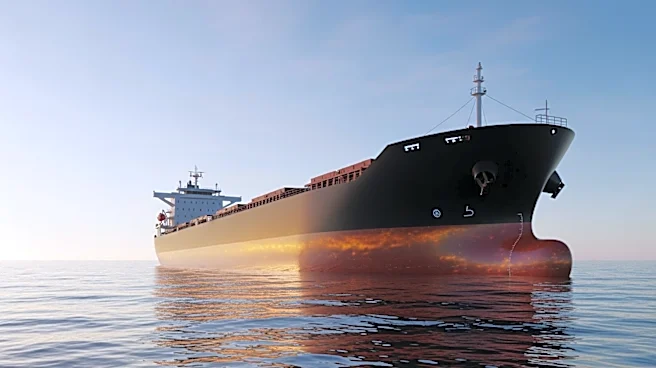
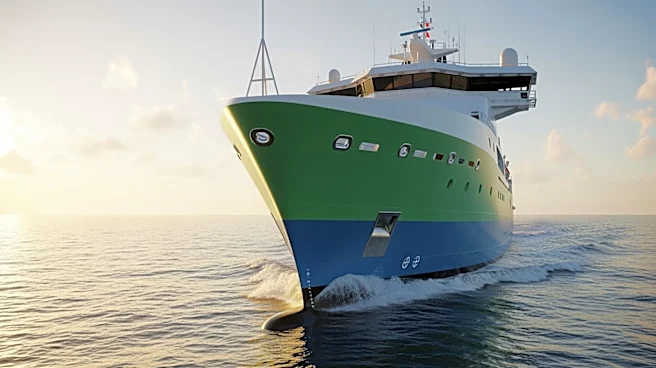
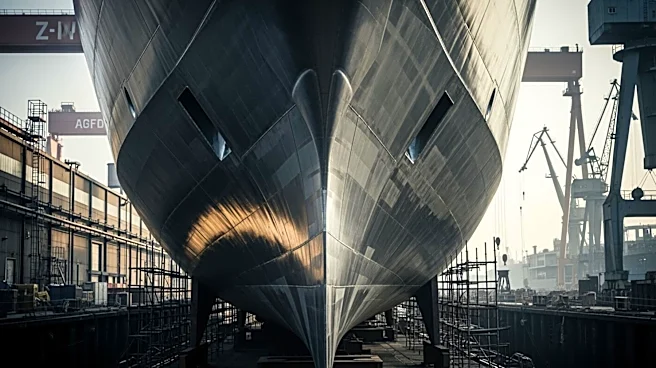
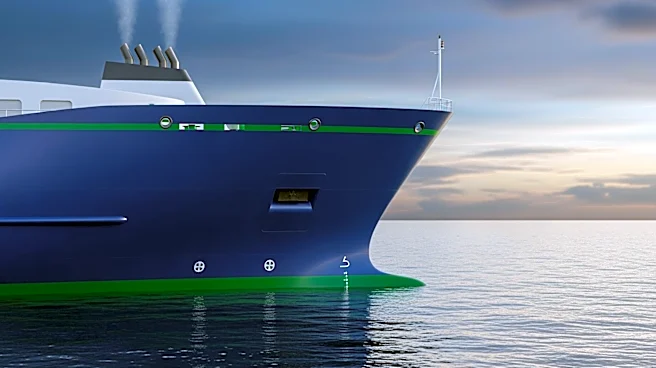
Brazilian mining company Vale has entered into a 25-year charter agreement with China's Shandong Shipping Corporation for the construction of two ocean-going ethanol-powered vessels. These Guaibamax-class
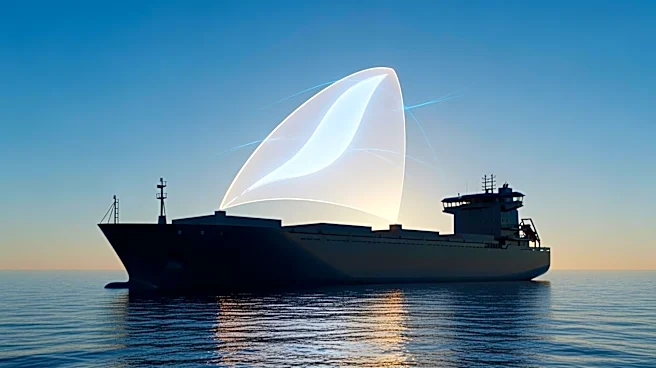
bulk carriers, capable of carrying up to 325,000 tons of iron ore, are scheduled to be delivered starting in 2029. The vessels will feature energy-efficient solutions, including rotary sails to harness wind energy, efficient engines, and technologies aimed at reducing fuel consumption and emissions. This move aligns with Vale's strategy to decarbonize its maritime transport operations and steel industry products. The agreement comes amid heightened interest in alternative fuels due to renewed tensions in the international oil market, emphasizing the need for flexible logistics systems to adapt to market conditions.
Why It's Important?
The introduction of ethanol-powered vessels by Vale represents a significant step towards reducing carbon emissions in maritime transport, a sector traditionally reliant on fossil fuels. This initiative not only supports global decarbonization efforts but also positions Vale as a leader in sustainable shipping practices. The geopolitical tensions affecting oil markets underscore the importance of diversifying fuel sources to ensure business continuity and mitigate risks associated with oil dependency. By investing in alternative fuels, Vale is contributing to the stability of global supply chains and promoting environmental sustainability, which could influence other companies to adopt similar practices.
What's Next?
Vale's commitment to ethanol-powered vessels may prompt other maritime and logistics companies to explore alternative fuels, potentially leading to broader industry shifts towards sustainable practices. As geopolitical tensions continue to affect oil markets, the demand for flexible and resilient logistics solutions is likely to grow. Vale's strategy may encourage further investments in renewable energy technologies and infrastructure, fostering innovation in the shipping industry. Additionally, the successful implementation of these vessels could pave the way for regulatory changes and incentives to support the adoption of low-carbon technologies in maritime transport.
Beyond the Headlines
The shift towards ethanol-powered vessels highlights the broader trend of decarbonization in industries beyond shipping, including mining and steel production. Vale's initiative may influence regulatory frameworks and policies aimed at reducing emissions across various sectors. The adoption of alternative fuels could also lead to increased research and development in renewable energy technologies, driving innovation and potentially lowering costs for sustainable solutions. As companies like Vale prioritize environmental sustainability, there may be a cultural shift towards greater corporate responsibility and transparency in addressing climate change.