






What's Happening?
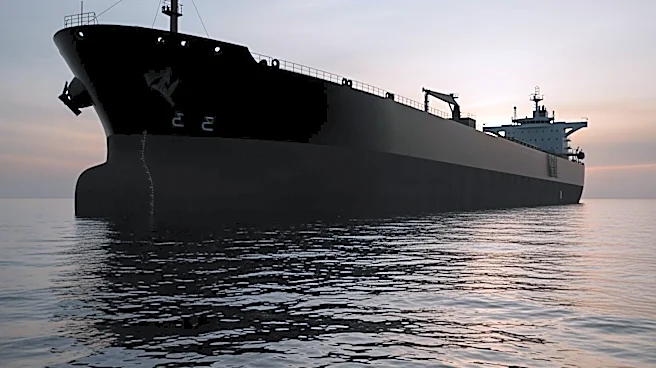
The United States' strategic petroleum reserves are nearing historically low levels due to the ongoing conflict with Iran and the closure of the Strait of Hormuz. This situation has raised concerns about the country's preparedness for future emergencies.
The reserves, currently at around 357 million barrels, are nearly 60 million barrels less than before the conflict began. The U.S. had agreed to release and export reserves to help stabilize global oil prices, which analysts believe prevented prices from reaching $150 per barrel. However, the depletion of reserves has left the U.S. with limited options for future supply shocks.
Why It's Important?
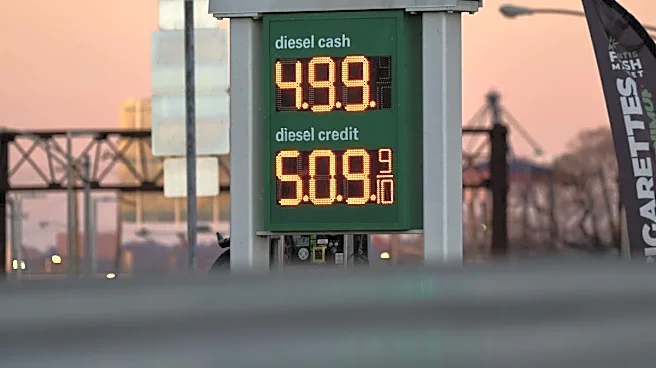
The depletion of the strategic petroleum reserves highlights the vulnerability of the U.S. energy supply chain in times of international conflict. The reserves serve as a critical buffer against supply disruptions, and their reduction could limit the country's ability to respond to future crises. The situation underscores the interconnectedness of global energy markets and the impact of geopolitical tensions on domestic energy security. As gasoline prices remain high, the issue has become a political flashpoint, with debates over energy policy and the management of national reserves likely to intensify.
What's Next?
The U.S. government may need to explore alternative strategies to replenish the reserves and ensure energy security. This could involve negotiating new agreements with oil-producing countries or investing in domestic energy production. The Energy Department has structured the latest reserve drawdown as an exchange, expecting companies to repay with more oil by 2027. The situation may also prompt discussions on diversifying energy sources and reducing reliance on fossil fuels to mitigate future risks.