
What's Happening?
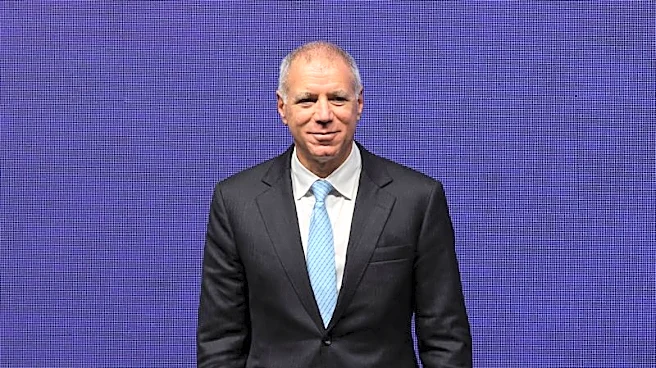
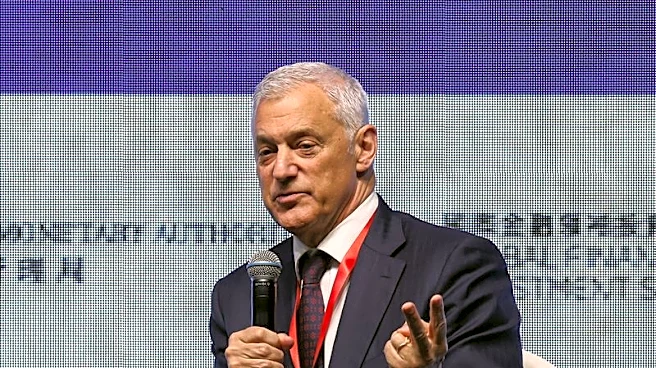
Jamie Dimon, CEO of JPMorgan, has responded to comments made by Standard Chartered CEO Bill Winters regarding AI-driven job losses. Winters had described a reduction in support staff as a shift from 'lower-value
human capital' to financial capital, which sparked backlash. Dimon, speaking at JPMorgan's China Summit in Shanghai, referred to Winters' comments as 'inartful' and emphasized the broader impact of AI on all job levels. He highlighted AI's transformative role in various JPMorgan operations, including marketing and fraud detection. Dimon reassured that JPMorgan is committed to supporting employees affected by AI advancements through reskilling and job transitions.
Why It's Important?
The discussion around AI and job displacement is critical as it highlights the potential for significant workforce changes across industries. Dimon's comments underscore the need for companies to prepare for AI's impact on employment, emphasizing the importance of reskilling and adapting to new roles. This approach could serve as a model for other businesses facing similar challenges. The broader societal implications include the necessity for educational institutions to collaborate with businesses to equip future workers with relevant skills. The potential for AI to reshape the job market raises questions about economic stability and the future of work.
What's Next?
As AI continues to evolve, companies like JPMorgan may need to implement comprehensive strategies to manage workforce transitions. This could involve partnerships with educational institutions to develop training programs that align with emerging job requirements. Additionally, there may be increased pressure on policymakers to address the economic and social impacts of AI-driven job changes. The financial industry, in particular, will likely see ongoing discussions about balancing technological advancements with workforce sustainability.
Beyond the Headlines
The ethical considerations of AI in the workplace are significant, as companies must navigate the balance between technological efficiency and human employment. The potential for AI to reduce working hours and improve quality of life, as suggested by Dimon, presents a vision of a future where technology enhances rather than replaces human capabilities. However, this transition requires careful management to ensure equitable opportunities and prevent widening economic disparities.