





What's Happening?
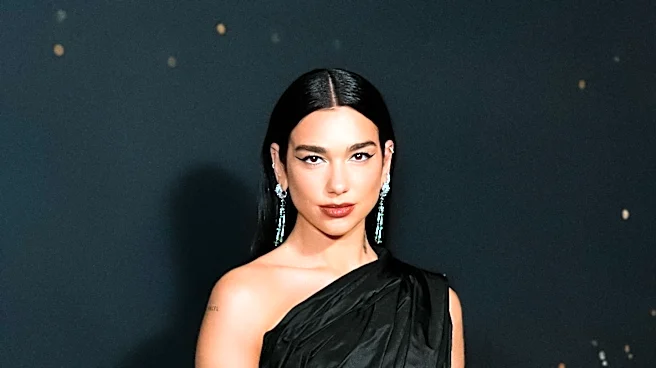
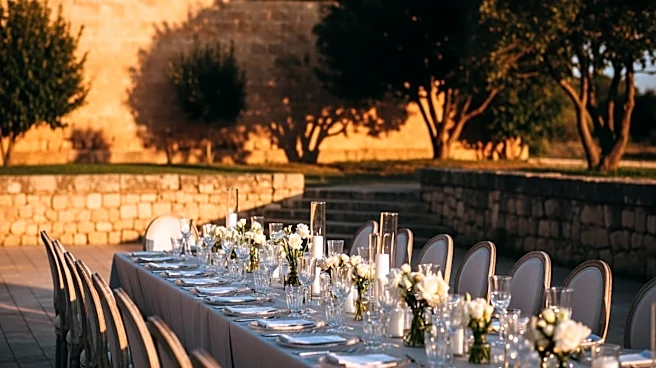
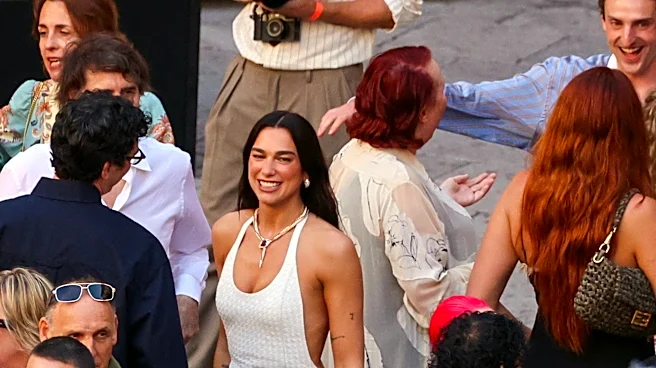
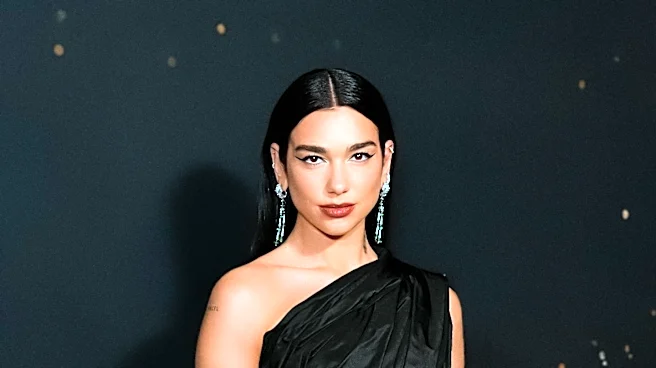
Dua Lipa and Callum Turner recently celebrated their wedding with a luxurious three-day event in Palermo, Sicily. The couple, who initially tied the knot at London's Old Marylebone Town Hall, hosted a star-studded ceremony at Villa Valguarnera. The event featured
high-profile guests such as Donatella Versace, Joe Alwyn, Charli XCX, and Mark Ronson, with Elton John performing 'Your Song' on the piano. Despite the grandeur, the wedding faced criticism from locals due to the closure of public spaces in the city center, leading to protests with posters stating 'Palermo is not for rent' and 'Public spaces belong to everyone.' The couple, however, reportedly adhered to all regulations and received support from some locals who encouraged them to enjoy their celebration.
Why It's Important?
The wedding highlights the ongoing tension between private events and public access in popular tourist destinations. While such high-profile events can boost local economies through increased tourism and media attention, they can also lead to conflicts over the use of public spaces. The backlash in Palermo underscores the need for balancing private celebrations with community interests, especially in culturally significant areas. This incident may prompt local authorities to reconsider policies regarding the use of public spaces for private events, potentially influencing future regulations in similar tourist hotspots.
What's Next?
In response to the backlash, local authorities in Palermo may review their policies on granting permissions for private events in public spaces. This could lead to stricter regulations or the implementation of guidelines to ensure that such events do not disrupt local life. Additionally, the incident may encourage other cities facing similar issues to evaluate their own policies. For the couple, the focus will likely shift back to their professional endeavors, but the experience may influence how they plan future events.
Beyond the Headlines
The situation in Palermo reflects broader cultural and ethical considerations regarding the commercialization of public spaces. As celebrities and wealthy individuals increasingly seek unique and picturesque locations for private events, communities may face challenges in preserving their cultural heritage and public access. This trend raises questions about the ethical implications of prioritizing private interests over communal rights, potentially leading to a reevaluation of how public spaces are managed and utilized.