
What's Happening?
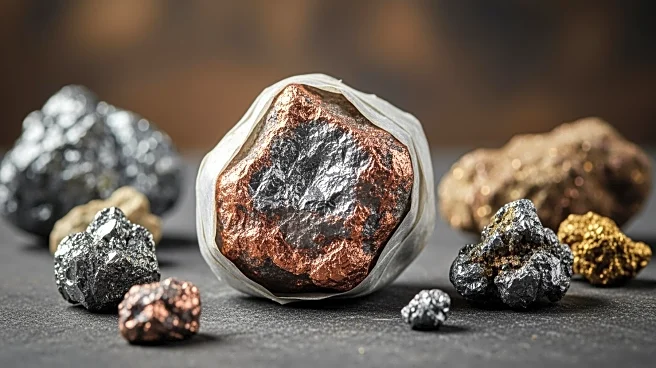
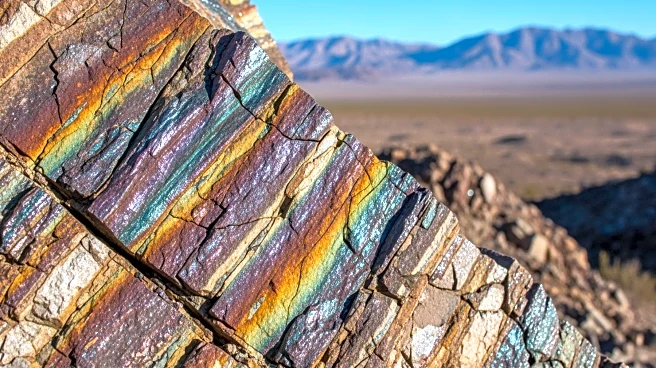
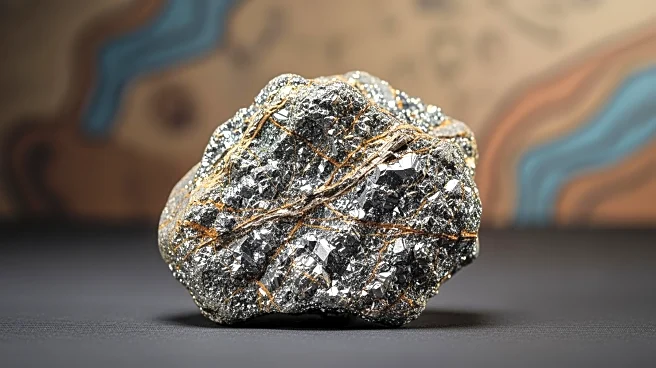
USA Rare Earth, a mining company, is advancing its efforts to establish a domestic supply of rare-earth metals and magnets in the United States. The company controls the Round Top Mountain in Texas, which
is one of the most significant critical minerals deposits in the country. This site contains at least 15 of the 17 rare-earth elements, including heavy rare-earth metals like dysprosium and terbium, which are rarely found in the U.S. USA Rare Earth has secured approximately $3.1 billion in funding, with $1.6 billion coming from the U.S. government. The company is currently pre-revenue and aims to begin commercial production by 2028. The development of a domestic rare-earth supply chain is part of a broader strategy to reduce reliance on foreign sources, particularly China, which currently dominates the market for high-performance magnets.
Why It's Important?
The establishment of a domestic rare-earth supply chain is crucial for the U.S. as it seeks to reduce dependency on China for critical materials used in various high-tech applications, including electric vehicles, wind turbines, and defense systems. The demand for permanent magnets, which can generate a magnetic field without external power, is surging, driven by growth in electronics, automation, and green technology sectors. USA Rare Earth's success could bolster U.S. economic and national security by ensuring a stable supply of these essential materials. However, the company's future hinges on continued policy support and successful execution of its plans. Investors with high risk tolerance may find the stock appealing, given the potential for significant returns if the domestic supply chain initiative succeeds.
What's Next?
USA Rare Earth plans to complete its magnet manufacturing facility as early as the first quarter of this year, with commercial production at Round Top targeted for 2028. The company's progress will be closely watched by investors and policymakers, as it represents a critical step in the U.S.'s efforts to establish a self-sufficient rare-earth supply chain. Potential challenges include technological advancements that could reduce the need for rare-earth metals and competitive pressures from China, which may attempt to undercut prices. Continued government support and strategic partnerships will be essential for USA Rare Earth's long-term success.