








What's Happening?
The agricultural insurance sector is facing a transformative period as modern farming evolves with technological advancements. According to Andries Wiese, head of Agriculture at Hollard Insure, the integration of automation, artificial intelligence, and
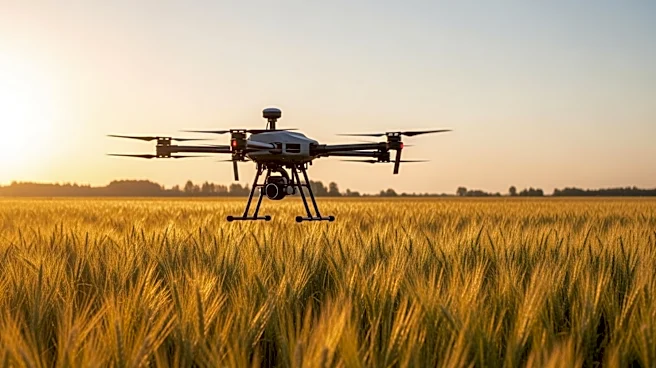
diversified business models in farming has introduced new, complex risks that traditional insurance models are not equipped to handle. The 58th NAMPO Harvest Day agricultural exhibition highlighted the need for insurers, brokers, and agribusinesses to reassess risk management strategies. Wiese emphasized the importance of connecting risks across the entire agribusiness value chain, moving from bundled policies to tailored solutions, and recognizing the new risks introduced by technology such as AI-driven logistics and drone usage. The shift towards more precise, data-driven farming necessitates insurance solutions that reflect each agribusiness's unique risk profile and operational complexity.
Why It's Important?
The evolution of agricultural insurance is crucial as it directly impacts the sustainability and resilience of agribusinesses. As farming operations become more technologically advanced, the potential for new risks increases, which could lead to significant financial losses if not properly managed. Insurers must adapt to these changes to provide adequate coverage and support to farmers, ensuring that they can continue to operate efficiently and sustainably. This shift is not only about protecting assets but also about enabling agribusinesses to thrive in a rapidly changing environment. The ability to manage these risks effectively will determine the competitiveness and viability of the agricultural sector in the long term.
What's Next?
Insurers are expected to develop more sophisticated risk management strategies that go beyond traditional insurance. This includes integrating alternative risk management tools and financial instruments to build resilience against disruptions. The focus will be on creating holistic, multi-layered risk management frameworks that can withstand technical, financial, and operational setbacks. As the agricultural sector continues to innovate, insurers will need to stay ahead of emerging risks and provide solutions that are tailored to the specific needs of modern agribusinesses. This proactive approach will be essential in maintaining the sector's growth and stability.