
What's Happening?
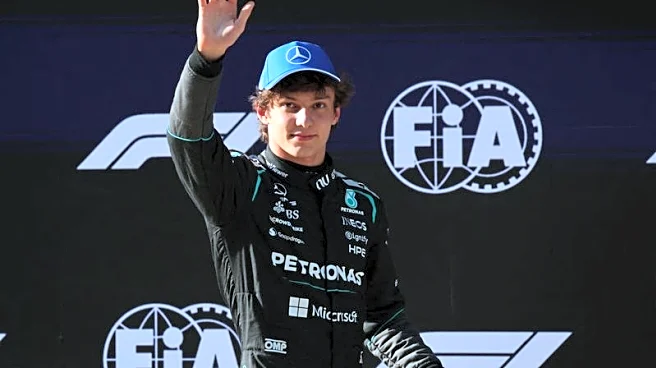
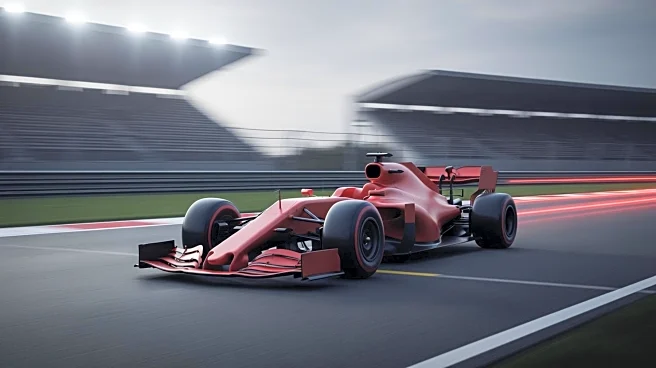
George Russell, a Formula 1 driver, has expressed enjoyment in the new style of racing brought about by the 2026 F1 car regulations. He likened the wheel-to-wheel battles with Ferrari during the opening race weekends to his childhood go-karting experiences.
Despite criticism from other drivers about the new cars, Russell highlighted the competitive nature of the races, where multiple drivers are in contention for top positions. He recently won a sprint race in China after a close contest with Lewis Hamilton and Charles Leclerc. The new regulations emphasize energy management and strategic overtaking, adding complexity to the races.
Why It's Important?
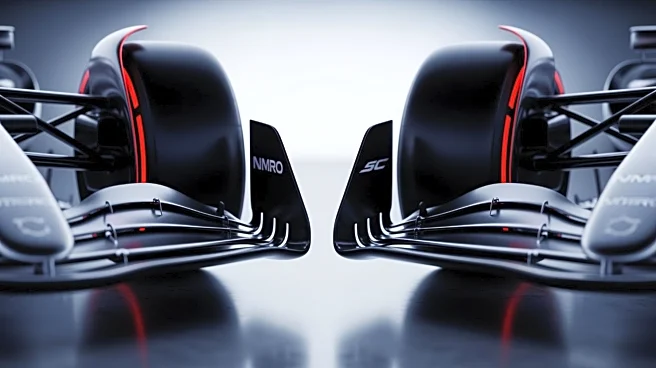
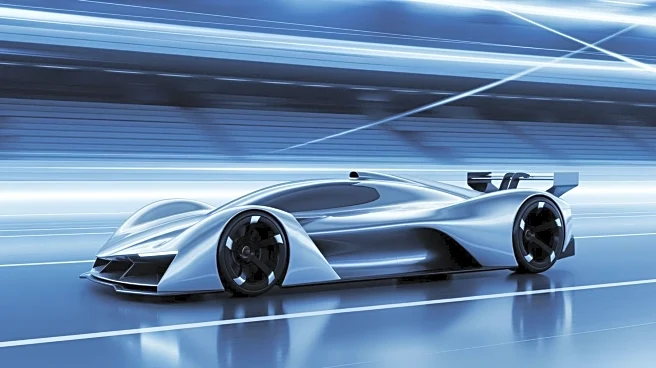
The introduction of new car regulations in Formula 1 is reshaping the competitive landscape of the sport. Russell's positive feedback suggests that the changes may enhance the excitement and unpredictability of races, potentially attracting more fans. However, the mixed reactions from drivers indicate that the new rules may require adjustments to balance competitiveness and driver satisfaction. The evolving dynamics could influence team strategies and car development, impacting the overall performance hierarchy in Formula 1. As the season progresses, the effectiveness of these regulations will be closely monitored by teams, fans, and the governing body.
What's Next?
As the 2026 Formula 1 season unfolds, teams and drivers will continue to adapt to the new regulations. The upcoming races will provide further insights into the impact of these changes on race outcomes and driver performance. Teams may need to refine their strategies and car setups to optimize energy management and overtaking opportunities. The feedback from drivers and teams will likely inform future regulatory adjustments to enhance the racing experience. Additionally, the ongoing competition between top teams like Mercedes and Ferrari will be a focal point for fans and analysts, as they assess the long-term implications of the new rules.