
What's Happening?
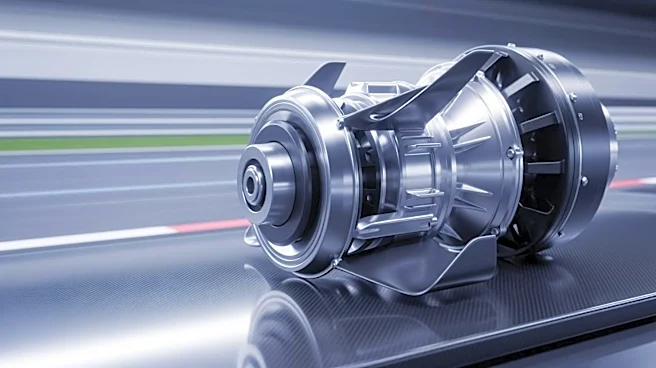
Formula 1, in collaboration with the FIA, teams, and power unit manufacturers, has announced significant changes to the engine regulations for the 2027 and 2028 seasons. These changes aim to address issues
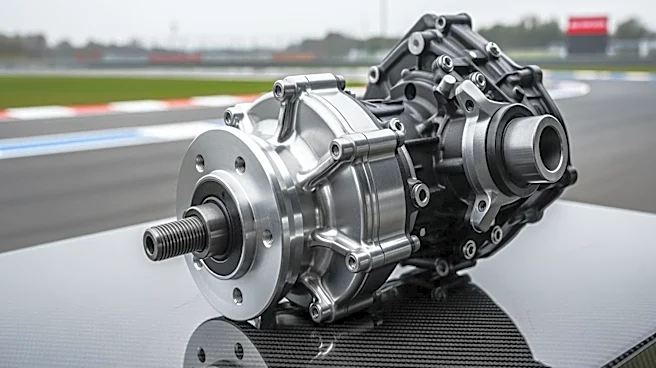
related to energy management and fuel energy flow characteristics, with the goal of making qualifying more competitive while maintaining the excitement of the races. The adjustments include increasing the internal combustion engine (ICE) output and fuel energy flow, alongside a reduction in the maximum harvesting power of the MGU-K. Specifically, the ICE power will rise from 400kW in 2026 to 450kW by 2028, and the fuel flow will increase by 13%. Meanwhile, the MGU-K's power will decrease from 350kW to 300kW by 2027, with an increase in maximum harvesting power to 400kW by 2028. These changes will shift the power split from the current 53/47 to 60/40 by 2028, allowing for more fuel usage and less reliance on electric power.
Why It's Important?
The announced changes are crucial for the future of Formula 1 as they aim to balance technological innovation with the sport's sustainability goals. By adjusting the power dynamics between the internal combustion engine and the energy recovery system, Formula 1 seeks to enhance the racing experience while addressing environmental concerns. This move is expected to influence the strategies of teams and manufacturers, as they will need to adapt to the new regulations to remain competitive. The changes also reflect a broader trend in motorsports towards more sustainable practices, which could have a ripple effect on the automotive industry as a whole. Fans of the sport may benefit from more thrilling races, as the adjustments are designed to make qualifying sessions more intense and competitive.
What's Next?
The proposed changes are set to be ratified later this month, following which teams and manufacturers will begin preparations to adapt to the new regulations. This period will likely see increased collaboration and innovation as stakeholders work to optimize their vehicles under the new rules. The adjustments may also prompt discussions on further sustainability measures within the sport, potentially influencing future regulatory decisions. As the changes are implemented, teams will need to strategize on how to best utilize the new power dynamics to gain a competitive edge, which could lead to shifts in team standings and performance in the coming seasons.