





What's Happening?
As companies face pressure to demonstrate the efficiency gains from AI investments, middle managers are increasingly tasked with ensuring employees adopt AI tools. This shift comes amid corporate restructuring efforts, such as those at Coinbase, which
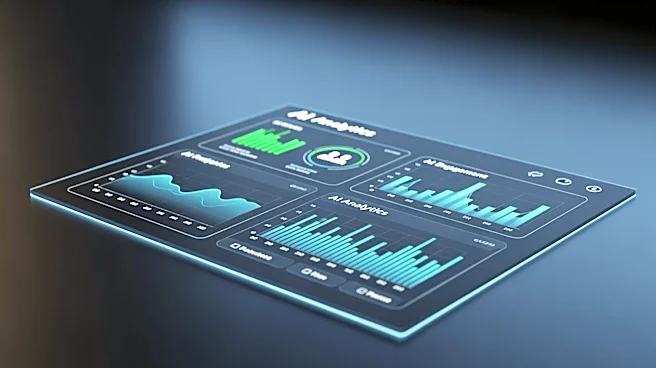
recently announced layoffs citing AI as a factor. Companies like Disney and JPMorgan are actively tracking AI usage among employees, with managers using dashboards to monitor and encourage AI adoption. This push reflects a broader trend where the responsibility for AI integration is moving from executive levels to individual managers, who are now expected to drive day-to-day AI usage and report on its impact.
Why It's Important?
The emphasis on AI adoption highlights the growing importance of technology in maintaining competitive advantage and operational efficiency. For companies, successful AI integration can lead to cost savings and improved productivity, which are crucial in a challenging economic environment. However, the pressure on middle managers to enforce AI usage could lead to increased stress and workload, potentially affecting employee morale and retention. The success of these initiatives depends on managers' ability to effectively communicate the benefits of AI and provide adequate support and training to employees.
What's Next?
As AI becomes more embedded in corporate strategies, companies may need to invest in training programs to equip managers and employees with the necessary skills to leverage AI tools effectively. Additionally, there could be a shift in performance metrics to include AI usage and its impact on productivity. Companies might also explore new ways to incentivize AI adoption, such as through performance bonuses or recognition programs. The ongoing evolution of AI technology will likely require continuous adaptation and learning within organizations.