

What's Happening?
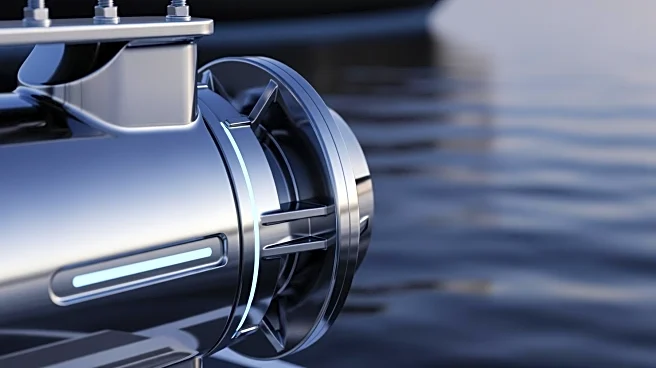
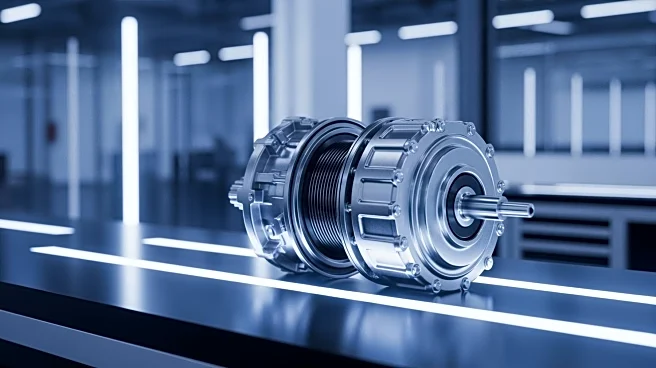
GONDAN Shipbuilders has placed an order with Steerprop for hybrid-capable azimuth units to be installed on a new high-performance tugboat for Norwegian shipowner Østensjø Rederi. This marks the first tug design from naval architect Skipsteknisk. Steerprop will provide dual-end versions of its SP 50 W D propulsors, which are the most powerful ducted units it has delivered to date. These units will allow the vessel to operate using a diesel engine, an electric motor, or a combination of both, offering flexibility in propulsion. The tugboat, with a 150-tonne bollard pull, will also feature DP2 dynamic positioning capability, catering to the high demands of offshore tug and towage operations. This contract represents Steerprop's first collaboration
with the Spanish shipyard and a renewed partnership with Østensjø Rederi, following close cooperation in developing the new multipurpose tug design.
Why It's Important?
The introduction of hybrid-capable azimuth units in the tugboat industry signifies a significant advancement in maritime propulsion technology. This development is crucial as it aligns with global efforts to reduce carbon emissions and enhance energy efficiency in maritime operations. The ability to switch between diesel and electric power sources allows for more sustainable operations, particularly in sensitive offshore environments. For Østensjø Rederi, this new vessel will strengthen its offshore towage fleet, providing a flagship model that achieves high efficiency through its hybrid propulsion system. This move could set a precedent for other maritime companies to adopt similar technologies, potentially leading to broader industry shifts towards more environmentally friendly practices.
What's Next?
As the maritime industry continues to evolve, the successful implementation of hybrid propulsion systems in tugboats could encourage further innovation and adoption of similar technologies across other vessel types. Stakeholders in the maritime sector, including shipbuilders, operators, and environmental regulators, may closely monitor the performance of this new tugboat. If successful, it could lead to increased demand for hybrid propulsion systems, prompting further research and development in this area. Additionally, regulatory bodies might consider updating guidelines to support and incentivize the use of hybrid technologies in maritime operations.