




What's Happening?
The expansion of broadband in rural areas is crucial for the digital transformation of agriculture. Many farmers, like Denise Loyning from Montana, face challenges due to limited internet access, which hinders the adoption of cloud-based management tools.
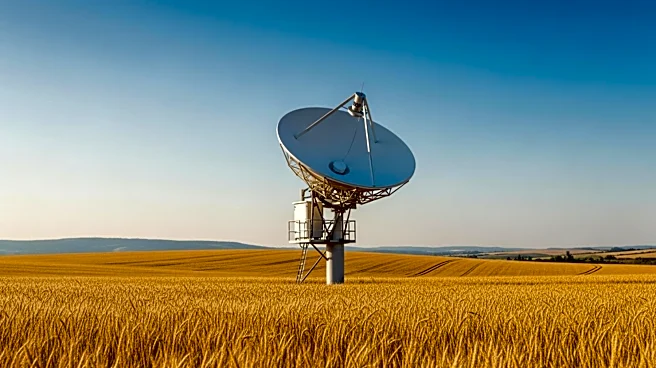
Sarah Low from the University of Illinois highlights that broadband issues are not just about availability but also speed, reliability, and affordability. While satellite internet offers some solutions, it can be costly and unreliable. Efforts to improve rural broadband include using fixed wireless, cellular networks, and low earth orbit satellites. These technologies, along with community-led initiatives, aim to bridge the digital divide and enhance agricultural efficiency.
Why It's Important?
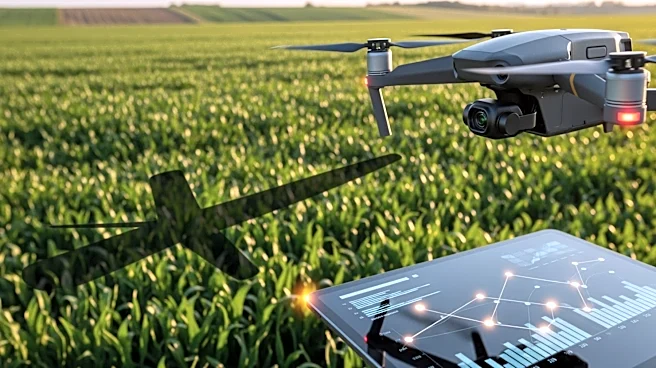
Improving rural broadband is essential for modernizing agricultural practices and ensuring competitiveness. Reliable internet access allows farmers to utilize advanced technologies for livestock management, crop monitoring, and data analysis, leading to increased productivity and sustainability. The lack of connectivity can isolate rural communities, limiting access to information and economic opportunities. By enhancing broadband infrastructure, rural areas can benefit from technological advancements, improve operational efficiency, and contribute to the broader economy. This digital transition is vital for the future of agriculture and rural development.