






What's Happening?
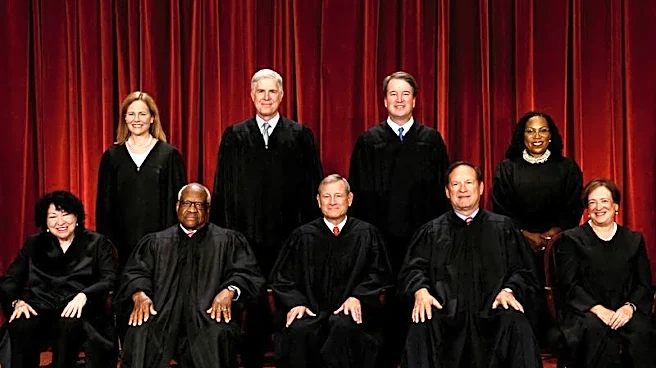
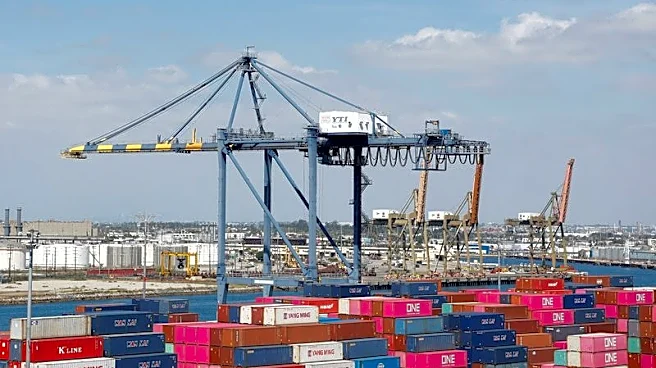
American companies, particularly those affected by tariffs imposed during President Trump's administration, are facing significant financial challenges. Following a Supreme Court ruling that deemed these tariffs unlawful, companies are now eligible for
refunds estimated at $166 billion. However, the distribution of these refunds is uncertain, prompting businesses to use their refund claims as collateral for loans. This creative financial strategy is a response to cash flow issues exacerbated by supply chain disruptions, increased energy costs, and a cautious consumer market. Many companies, especially in manufacturing and retail, are struggling to maintain operations and are seeking immediate financial relief through loans backed by their expected refunds.
Why It's Important?
This development highlights the ongoing financial strain on U.S. businesses due to past tariff policies and current economic conditions. The use of refund claims as collateral underscores the desperation of companies to secure liquidity in a challenging economic environment. This situation could have broader implications for the U.S. economy, as it reflects underlying vulnerabilities in the business sector. The reliance on loans for survival may lead to increased financial risk, particularly if refund distributions are delayed or reduced. This scenario also raises questions about the long-term sustainability of businesses that are heavily dependent on external financial support.
What's Next?
The Court of International Trade and U.S. Customs and Border Protection are tasked with determining the refund process, with the first phase of the automated payment system set to launch soon. Companies are closely monitoring these developments, as the timing and amount of refunds will significantly impact their financial strategies. In the meantime, businesses may continue to explore alternative financing options, such as selling the rights to their refund claims. The outcome of these financial maneuvers will depend on the speed and efficiency of the refund process, as well as the broader economic conditions that influence business operations.