






What's Happening?
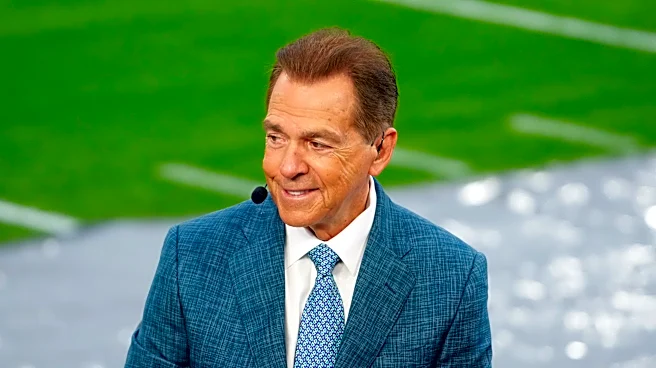
Former Oklahoma State Cowboys football coach Mike Gundy has expressed his views on the ideal format for the College Football Playoff (CFP). During an appearance on 'The Herd' with Colin Cowherd, Gundy advocated for an eight-team playoff system. He argued
that only eight teams are realistically capable of winning a national championship each year. Gundy proposed that the four power conference champions should automatically qualify, with the remaining four spots filled by the next best teams, regardless of their conference. This format, he believes, would maintain fan engagement and simplify the playoff structure. Currently, discussions are ongoing about expanding the CFP, with options ranging from 16 to 24 teams. However, Gundy criticized the idea of a 16-team playoff, suggesting it would primarily serve financial interests rather than competitive fairness.
Why It's Important?
The debate over the size and structure of the College Football Playoff is significant as it impacts the competitive landscape of college football. An eight-team playoff, as suggested by Gundy, could provide a more balanced and competitive postseason, potentially increasing viewership and fan engagement. This format might also ensure that the most deserving teams have a chance to compete for the national title, addressing concerns about fairness and representation. On the other hand, larger playoff formats could generate more revenue through additional games, but might dilute the quality of competition. The outcome of these discussions could influence the future of college football, affecting stakeholders such as universities, athletes, and broadcasters.
What's Next?
As discussions about CFP expansion continue, stakeholders will need to weigh the benefits of increased revenue against the potential impact on competitive balance and player welfare. The decision on the playoff format could be finalized in the coming years, with a 24-team playoff being considered for the 2027 season. The ongoing debate will likely involve input from university administrators, athletic directors, and conference officials. Fans and media will also play a role in shaping public opinion on the best path forward for college football's postseason structure.