
What's Happening?
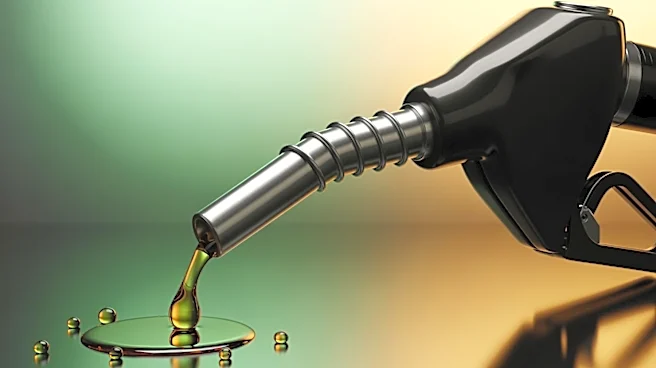
India has initiated the rollout of 20% ethanol blending in petrol, known as E20, driven by the goal of achieving energy self-reliance rather than geopolitical factors such as conflicts in the Middle East.
CK Jain, President of the Grains Ethanol Manufacturers Association (GEMA), emphasized that the initiative is a step towards reducing dependency on foreign energy sources. The rollout began on April 1, marking a significant checkpoint in India's energy strategy. Jain highlighted the availability of surplus feedstock and investor interest as key factors supporting the initiative. India's ethanol production capacity currently stands at approximately 2,000 crore liters, with expectations to increase by 10% due to ongoing projects. Despite the potential for increased blending levels, current production facilities are operating at only 40-50% capacity, raising concerns about financial stress. Ethanol blending has already contributed to significant economic benefits, saving India around ₹40,000 crore in crude oil imports, with substantial value flowing back into rural areas.
Why It's Important?
The E20 ethanol blending initiative is crucial for India's energy strategy, aiming to enhance self-reliance and reduce dependency on foreign oil imports. This move supports the rural economy by channeling savings from reduced crude oil imports back to farmers and rural communities. The initiative also aligns with global efforts to transition towards renewable energy sources, potentially positioning India as a leader in sustainable energy practices. However, the underutilization of production capacity poses financial risks, highlighting the need for strategic planning to optimize resources. Expanding ethanol use beyond transport fuels, such as in ethanol-based cook stoves, could further diversify energy applications and reduce reliance on liquefied petroleum gas (LPG). The initiative's success could serve as a model for other countries seeking to enhance energy independence and sustainability.
What's Next?
India may consider increasing the ethanol blending ratio beyond 20%, potentially reaching 25-27%, as feedstock availability and production capacity improve. The government might explore expanding ethanol applications, such as ethanol-based cook stoves, to further reduce LPG dependency. Monitoring global supply disruptions, particularly in liquefied natural gas (LNG), will be essential to mitigate impacts on fertilizer production and ensure agricultural stability. Stakeholders, including government agencies and industry leaders, will need to address financial stress in ethanol production facilities to prevent non-performing assets. Continued investment in infrastructure and technology will be crucial to support higher blending levels and broader ethanol applications.