



What's Happening?
Booking.com has confirmed that hackers accessed personal data of its customers, including names, emails, physical addresses, phone numbers, and booking details. The breach notification was sent to affected customers, indicating that unauthorized third
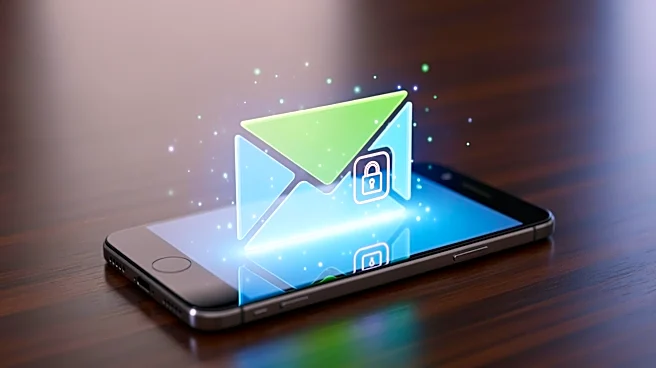
parties may have accessed certain booking information. Some users reported receiving phishing messages containing their booking details, suggesting that hackers are exploiting the stolen data. Booking.com has taken steps to contain the issue, including updating PIN numbers for affected reservations. The company assured that financial information was not compromised, but declined to specify the number of affected customers.
Why It's Important?
This data breach underscores the vulnerabilities in digital security within the travel industry, highlighting the need for robust cybersecurity measures to protect sensitive customer information. The incident could lead to increased scrutiny and regulatory pressure on companies to enhance their data protection protocols. Customers may face risks of identity theft and phishing attacks, necessitating vigilance and proactive measures to safeguard their personal information. The breach also raises concerns about the trustworthiness of online platforms, potentially impacting consumer confidence and the reputation of Booking.com.
What's Next?
Booking.com is likely to face inquiries from regulatory bodies and may need to implement stricter security measures to prevent future breaches. Customers are advised to monitor their accounts for suspicious activity and be cautious of phishing attempts. The company may also need to engage in public relations efforts to restore customer trust and address concerns about data security. As cybersecurity threats continue to evolve, businesses across industries will need to prioritize investments in technology and training to protect against data breaches.