





What's Happening?
The hospitality industry is undergoing a significant transformation, moving away from a traditional focus on increasing bookings to a more intelligence-driven approach centered on guest experience and understanding. This shift is driven by the expanding
global traveler base, projected to reach 3.5 billion trips by 2050, with a significant portion of this growth coming from the Asia-Pacific region. The industry is recognizing that simply capturing more bookings is no longer sufficient for sustainable growth. Instead, hotels are being encouraged to focus on understanding guest needs, designing personalized experiences, and building long-term relationships. This approach is seen as essential in a competitive landscape where increased demand also brings higher expectations and operational complexity.
Why It's Important?
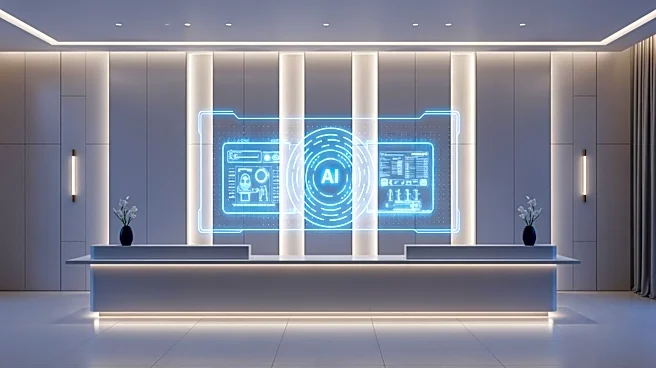
This shift in the hospitality industry is crucial as it reflects broader changes in consumer behavior and market dynamics. As travel becomes more integrated into everyday life, with experiences prioritized over material goods, hotels must adapt to meet diverse and evolving guest expectations. The emphasis on guest experience over volume-driven growth is expected to lead to more sustainable business models, fostering loyalty and long-term value creation. This transformation also highlights the role of technology, particularly artificial intelligence, in enabling hotels to deliver personalized and efficient services. By focusing on guest-centric innovation, the industry can better navigate the complexities of a growing and diverse traveler base, ultimately enhancing competitiveness and profitability.
What's Next?
As the hospitality industry continues to evolve, hotels are likely to invest more in technology and data analytics to better understand and anticipate guest needs. This could lead to the development of more sophisticated systems for personalizing guest experiences and improving operational efficiency. Additionally, the focus on domestic travel as a strategic advantage suggests that hotels will increasingly view local guests as long-term assets, fostering relationships that extend beyond individual stays. The industry may also see a rise in 'Blue Ocean' strategies, where hotels create unique value propositions that differentiate them from competitors. These changes are expected to redefine success in hospitality, moving away from traditional metrics like occupancy rates to more holistic measures of guest satisfaction and loyalty.
Beyond the Headlines
The shift towards an intelligence-driven model in hospitality has deeper implications for the industry's workforce and operational strategies. As hotels prioritize guest understanding and experience design, there may be a greater emphasis on training staff to deliver personalized services and create meaningful interactions. This could lead to a reevaluation of staffing models and the roles of employees in enhancing guest experiences. Furthermore, the integration of artificial intelligence in hospitality raises ethical considerations around data privacy and the balance between technology and human interaction. As hotels leverage AI to improve service delivery, they must also ensure that guest data is handled responsibly and that technology enhances rather than replaces the human touch that defines hospitality.